Anamorphic Momentum: Kinetic Camera Rigging and Hard-Light Telemetry in Transformers (2007)
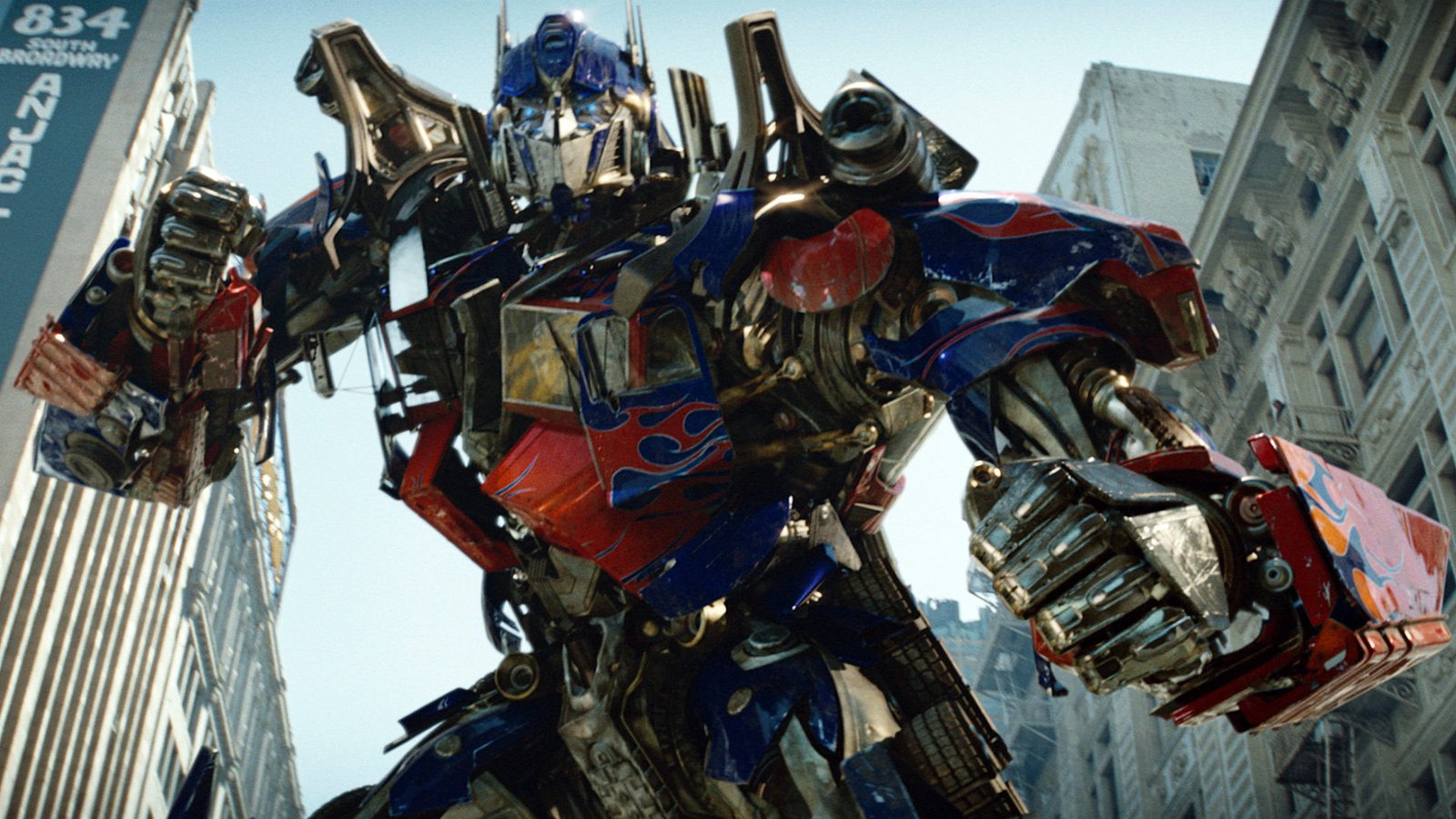
Transformes(2007) cinematography

The visual architecture of Michael Bay’s Transformers (2007) represents a landmark convergence of high-velocity physical camera choreography, intense photochemical color grading, and groundbreaking photorealistic CGI integration. Collaborating with director of photography Mitchell Amundsen, the production abandoned static, observational framing in favor of an aggressive, kinetic visual language designed to ground colossal biomechanical entities within real-world … Read more


The Architecture of Inequality: Vertical Stratification and Socio-Spatial Geometry in Parasite (2019)

Architecturing a progressive framework of escalating socioeconomic friction within a rigid structural environment requires an absolute control over frame geometry, camera height, and architectural set design. In Parasite (2019), director Bong Joon-ho abandoned traditional upstairs-downstairs cinematic tropes to establish an integrated physical-to-narrative staging blueprint that traps characters inside a carefully stratified structural hierarchy. Rather than … Read more

Inside the CGI Pipeline of Avengers Endgame(2019): Photogrammetry, Machine Learning & Massive Fluid Solvers

avengers endgame(2019) VFX

The cinematic landscape of the late 2010s reached an unprecedented computational and engineering zenith with the release of Marvel Studios’ Avengers: Endgame in 2019. Serving as motion picture history’s most monumental narrative convergence, the production required an industrial-scale visual effects pipeline that completely dissolved the boundary between live-action capture and synthetic digital creation. Rather than … Read more

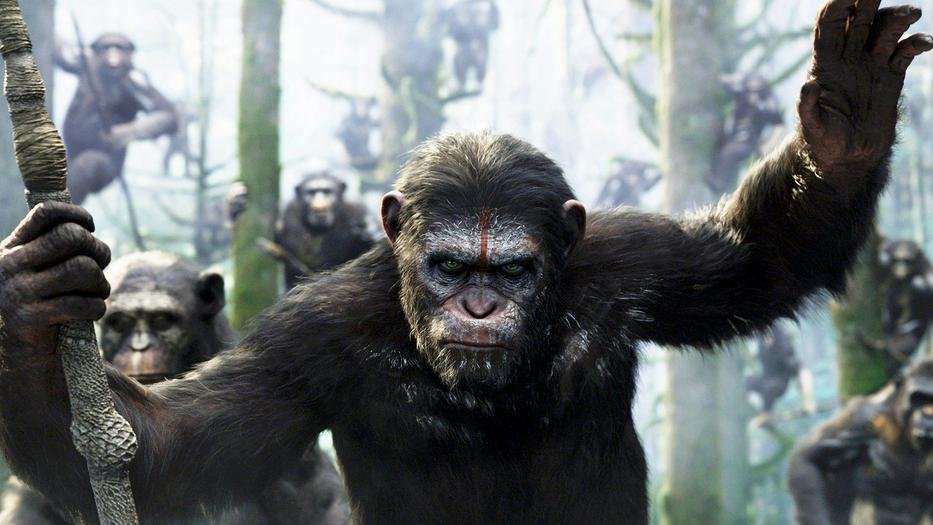
Subsurface Scattering and Performance Capture Pipelines in Dawn of the Planet of the Apes (2014)

Achieving absolute anatomical fidelity and tangible physical weight within a digital creature and set simulation pipeline demands uncompromising control over dynamic skeletal kinematics, multi-layered epidermal shaders, and volumetric light diffusion. In Dawn of the Planet of the Apes (2014), director Matt Reeves and the technical supervisors at Weta Digital discarded conventional computer graphics overlay shortcuts, … Read more

The Best Horror Movies of All Time: A Technical Analysis of Dread

When defining the best horror movies of all time, true cinematic dread is never achieved by mere jump scares or formulaic genre tropes. Instead, visceral terror is meticulously engineered through precise camera geometry, deliberate contrast lighting, and calculated spatial isolation that subverts the audience’s subtextual expectations. As the autumn season peaks, this curated analysis bypasses … Read more

Suburban Subversion: Directorial Pacing and Spatial Vulnerability in Scream (1996)

Constructing a continuous sense of psychological violation within a suburban domestic environment requires absolute precision over frame geometry, off-screen acoustic space, and subversive spatial staging. In Scream (1996), director Wes Craven abandoned traditional slasher tropes to establish an integrated optical-to-narrative staging blueprint that traps characters inside familiar, brightly lit domestic layouts that suddenly mutate into … Read more

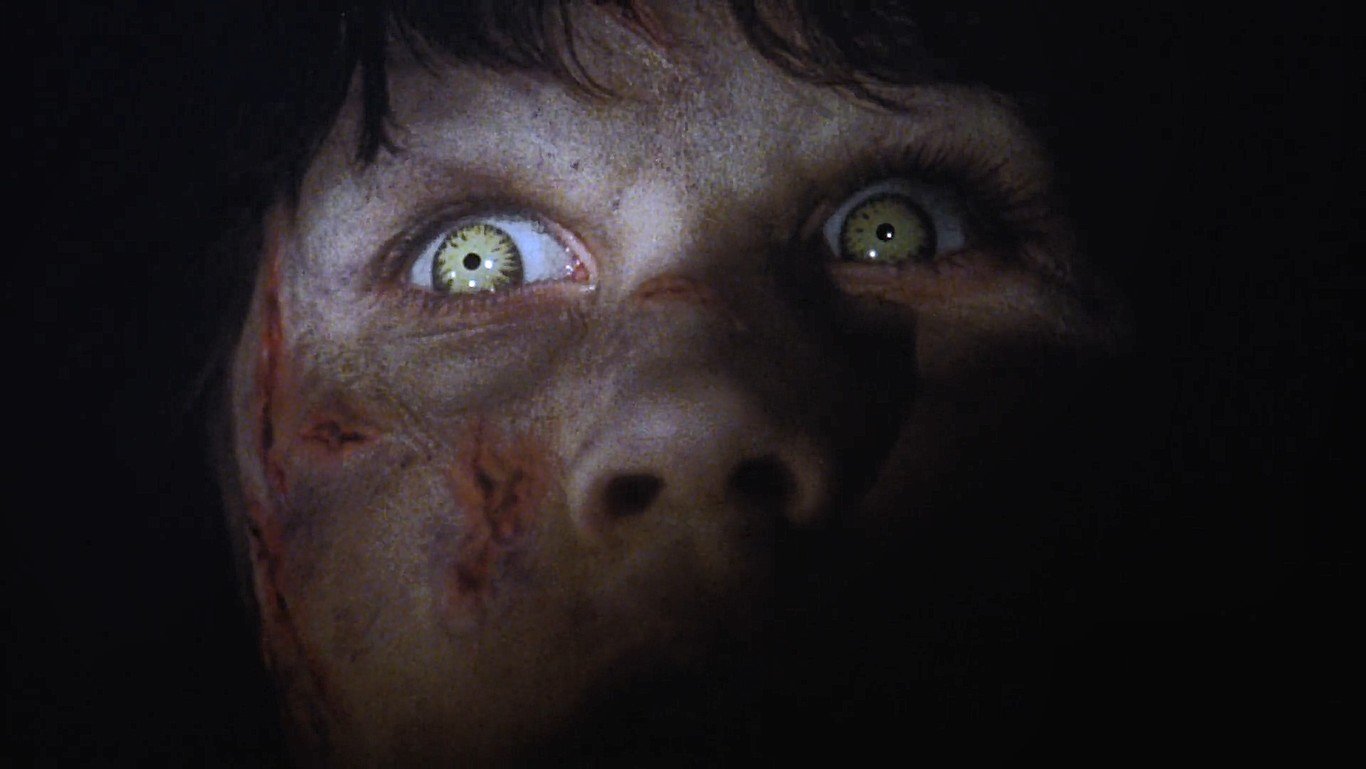
Sub-Zero Thermal Environments and Fast Spherical Glass: How Owen Roizman Grounded The Exorcist (1973)

The visual grammar of William Friedkin’s The Exorcist (1973) stands as a monumental landmark achievement in psychological horror, completely rejecting the stylized, expressive gothic lighting conventional to the genre in favor of a cold, clinical realism. Cinematographer Owen Roizman engineered a documentary-style cinematic framework that intentionally grounded the supernatural events within a tangible, authentic, and … Read more
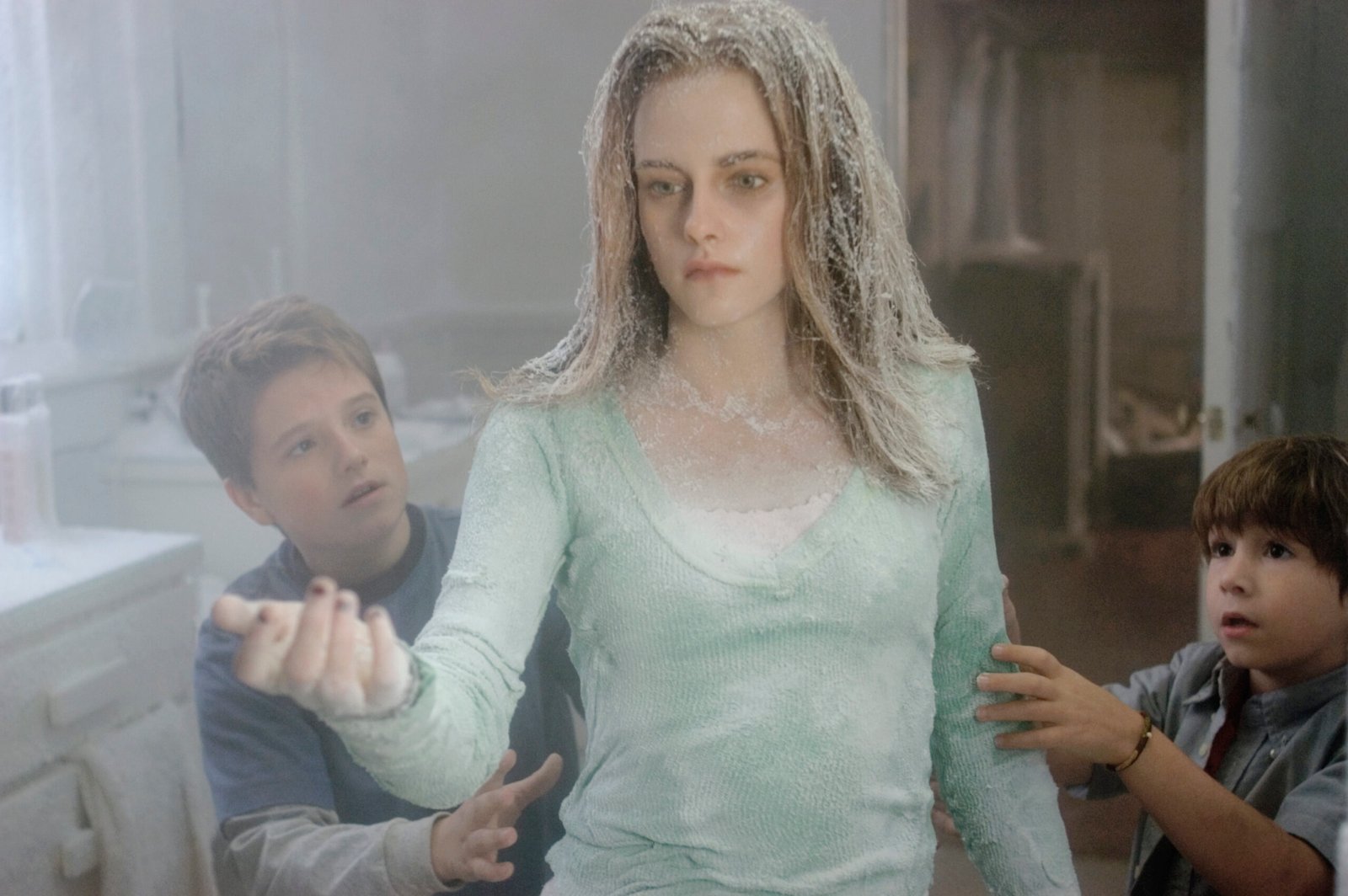
Practical Special Effects: Animatronics & Miniatures in Zathura (2005)

In the historical evolutionary trajectory of contemporary American science fiction cinema, Jon Favreau’s Zathura: A Space Adventure (2005) stands as an aggressive, unyielding monument to classical practical special effects orchestration. Executed during a transitional industry epoch heavily dominated by expanding digital software convenience, the production intentionally bypassed high-frequency CGI rendering pipelines. Instead, the physical architecture … Read more
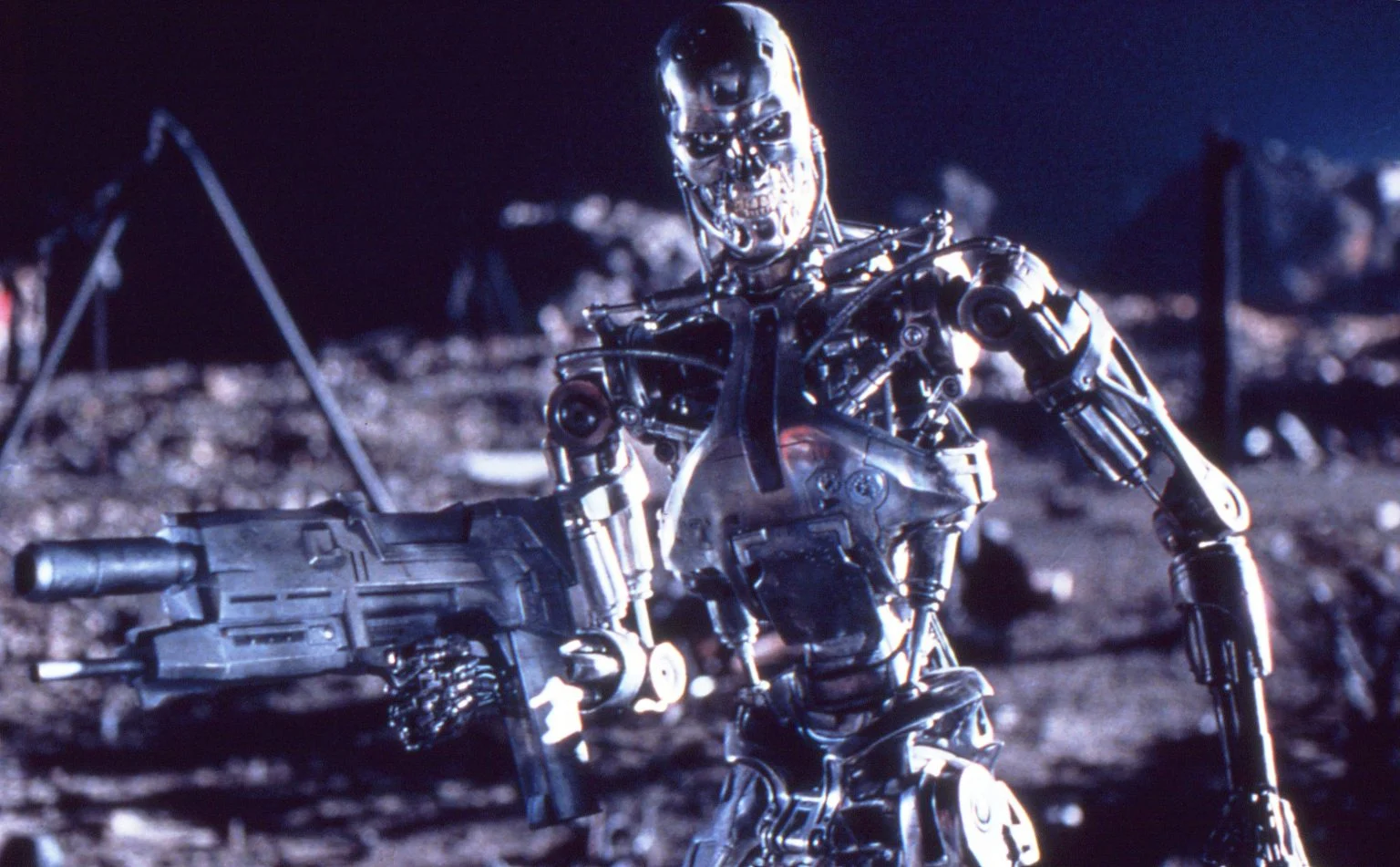
The Industrial Hard-Light Matrix: Spherical Optics and Cybernetic Color Space in Terminator (1991)

terminator 2(1991)

The visual architecture of James Cameron’s Terminator 2: Judgment Day (1991) represents a monumental turning point in high-budget American sci-fi cinematography, bridging the gap between classical physical optics and pioneering digital compositing. Rather than relying on uniform, flat Hollywood illumination, cinematographer Adam Greenberg engineered a cold, high-contrast industrial visual grammar designed to emphasize metallic surfaces, … Read more

Scariest Horror Movies: Directorial Pacing & Tension in Halloween (1978)

When analyzing the structural taxonomy of the scariest horror movies in cinematic history, the directorial execution of John Carpenter’s Halloween (1978) remains a foundational masterclass in atmospheric oppression. Rather than relying on continuous visceral spectacle or high-frequency editorial cuts to shock the audience, the production engineered its psychological weight through severe spatial deprivation, calculated tracking … Read more
Nonlinear Structures: Directorial Pacing in Kill Bill Vol 2 (2004)

The structural architecture of Quentin Tarantino’s Kill Bill: Vol. 2 (2004) represents a radical, calculating departure from the kinetic pastiche that governed its predecessor. Within the broader narrative framework of contemporary American independent cinema, the production functions as a sophisticated exercise in non-linear chronotope management, conversational tension loops, and severe atmospheric decompression. Rather than relying … Read more

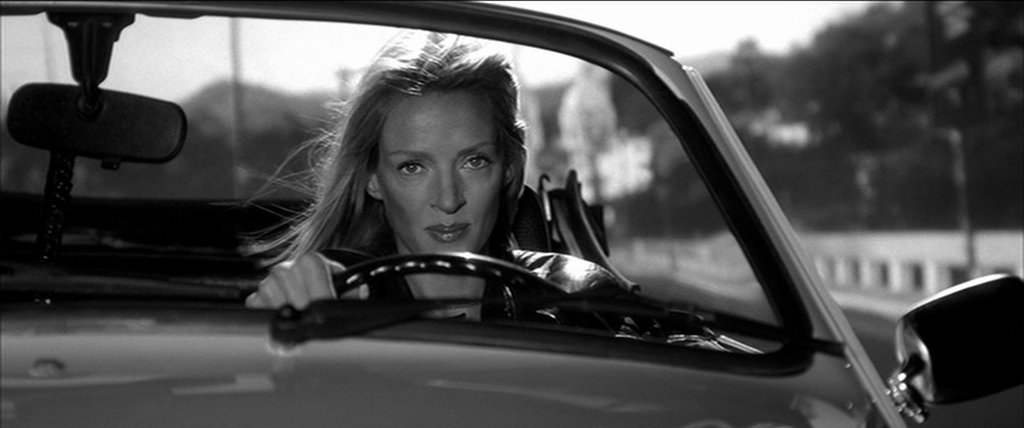
High-Contrast Lighting Transitions: Optical Rigs in Kill Bill Vol 1 (2003)

The visual landscape of Quentin Tarantino’s Kill Bill: Vol. 1 (2003) stands out as a highly complex exercise in historical stylistic pastiche, unified through a rigorous, contemporary cinematographic framework. Rather than deploying a generic Hollywood high-key saturation layout, cinematographer Robert Richardson engineered a hyper-segmented visual grammar designed to mimic, deconstruct, and elevate the distinct printing … Read more

Computer-Generated Asset Pipelines: Shading Language in Toy Story (1995)

The historical baseline separating physical creature engineering from computational image synthesis was definitively shattered with the release of Pixar’s Toy Story in 1995. As the first feature-length cinematic production generated entirely within a three-dimensional digital space, the project represented less of an artistic evolution and more of a rigorous software engineering milestone. The visual authority … Read more

Practical Effects: Mechanical Rigging and Pneumatics in Jaws (1975)

The operational framework of contemporary creature effects underwent a radical architectural evolution during the turbulent production of Steven Spielberg’s Jaws in 1975. Long before the advent of computational pixel rendering and digital asset pipelines, the production team was forced to physicalize an apex marine predator through pure mechanical engineering and structural rigging. The cinematic authority … Read more

Virtual Cinematography: Optical Matrices and Core Pipelines in Avatar (2009)

Avatar 2009 neon pandora cinematography

When James Cameron released Avatar in 2009, he did not merely deploy an advanced science fiction narrative; he fundamentally re-engineered the classical grammar of contemporary cinematography. The production represents a historical paradigm shift where the traditional boundaries separating physical camera direction, stereoscopic optical mechanics, and real-time digital asset integration completely dissolved. At the absolute core … Read more

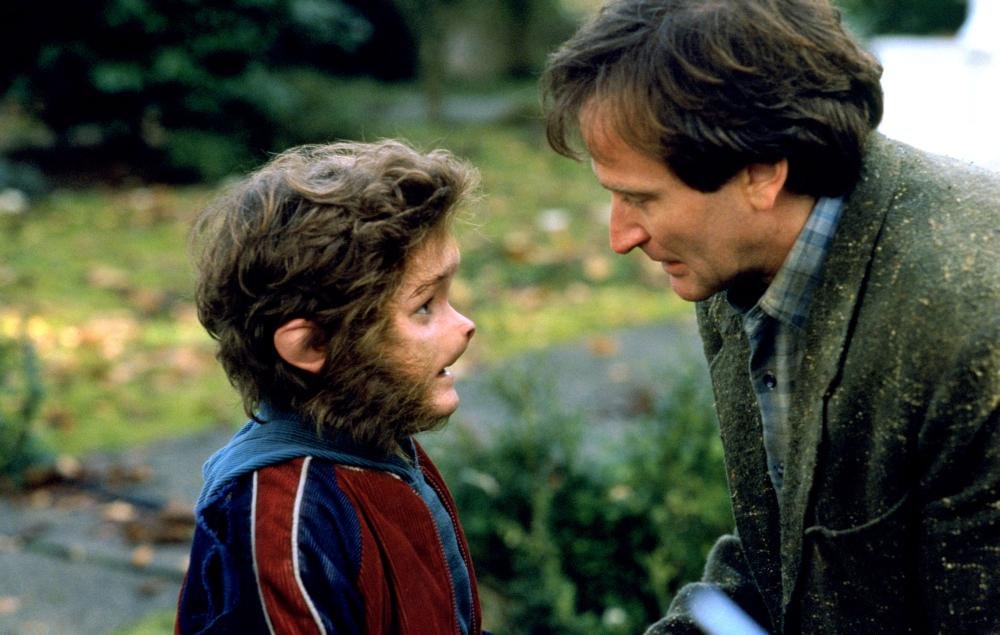
Claustrophobic Geometry: Narrative Pacing and Spatial Chaos in Jumanji (1995)

Structuring a continuous sense of escalating domestic peril within a shifting cinematic environment requires an absolute control over frame geometry, camera pacing, and structural set design. In Jumanji (1995), director Joe Johnston abandoned traditional adventure tropes to establish an integrated physical-to-narrative staging blueprint that traps characters inside a rapidly mutating architecture. Rather than relying on … Read more

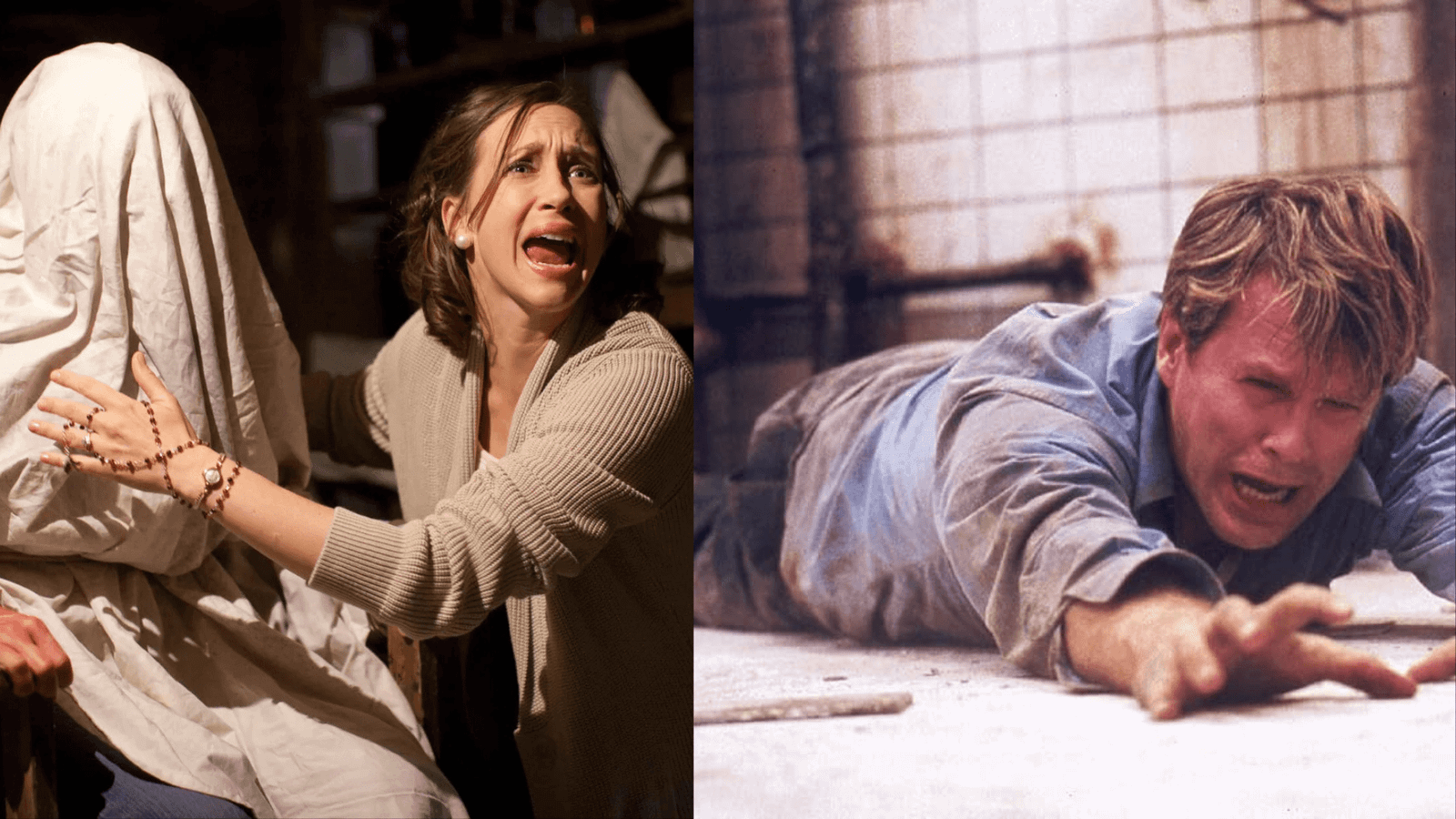
Atmospheric Density: Optical Effects and Digital Rigging in The Conjuring (2013)

The Conjuring wardrobe practical visual effects composite

Constructing a visceral supernatural environment without relying on hyper-saturated computer-generated entities requires an absolute mastery of mechanical rigging, custom optical filtration, and multi-layered digital compositing pipelines. In The Conjuring (2013), director James Wan and visual effects supervisor Raymond Chen abandoned traditional contemporary horror tropes to pioneer integrated physical-to-digital asset systems that ground metaphysical phenomena within … Read more

The Visual Weight of Tragedy: Large-Format Optics and Lighting in Infinity War (2018)

avengers-infinity-war(2018)

Elevating a cosmic comic-book adaptation into a grounded visual tragedy requires a radical departure from traditional blockbusters’ flat, high-key saturation paradigms. In Avengers: Infinity War (2018), cinematographer Trent Opaloch and the Russo brothers achieved this structural shift by implementing an expansive visual grammar rooted in classical multi-source lighting setups, dense architectural shadows, and complex large-format … Read more

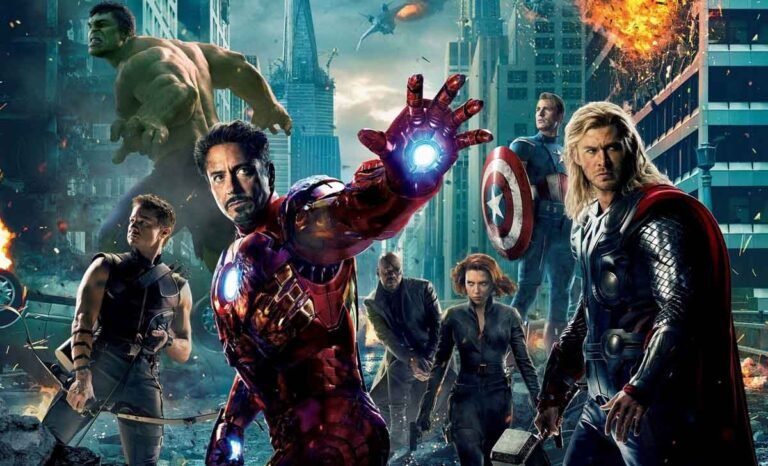
The Mechanics of Crossover: Ensemble Pacing and Spatial Cross-Cutting in The Avengers (2012)

avengers(2012)

Sustaining narrative equilibrium within a multi-protagonist blockbuster represents one of the most volatile challenges in contemporary commercial filmmaking. Prior to the release of Joss Whedon’s The Avengers (2012), Hollywood conventional wisdom dictated that a massive multi-franchise crossover movie would inevitably collapse under the sheer weight of its split character dynamics, resulting in a fractured, poorly … Read more

The Architecture of Relativity: Gravitational Lensing and VFX in Interstellar (2014)

interestellar (2014)

The 2014 science fiction epic Interstellar, directed by Christopher Nolan and supervised by visual effects artist Paul Franklin, represents an unprecedented paradigm shift in the technological integration of theoretical physics and computational computer-generated imagery (CGI). Rather than treating cosmic phenomena as abstract, artistic interpretations, Nolan’s production team collaborated directly with Nobel Prize-winning astrophysicist Kip Thorne … Read more

The Geometry of Dust: Silhouette Lighting and Color Space in Blade Runner 2049 (2017)

blade runner(2049)

The 2017 dystopian masterpiece Blade Runner 2049, directed by Denis Villeneuve and photographed by master cinematographer Roger Deakins, ASC, BSC, represents a watershed milestone in contemporary digital cinematography. Rather than relying on the saturated, kinetic digital aesthetics common in modern science fiction, Deakins constructed a visually oppressive, geometrically rigorous universe utilizing primitive light sources, deep … Read more

The Anatomy of Suspense: Character Blocking and Direction in Inglourious Basterds (2009)

Inglourious Basterds (2009)

The cinematic architecture of Quentin Tarantino’s Inglourious Basterds (2009) reaches its absolute narrative and structural zenith during the basement tavern sequence in Northern France. Spanning nearly twenty minutes of continuous, claustrophobic screen time, the scene stands as a masterclass in modern cinematic direction, specifically regarding character blocking, spatial containment, and the psychological mechanics of sustained … Read more

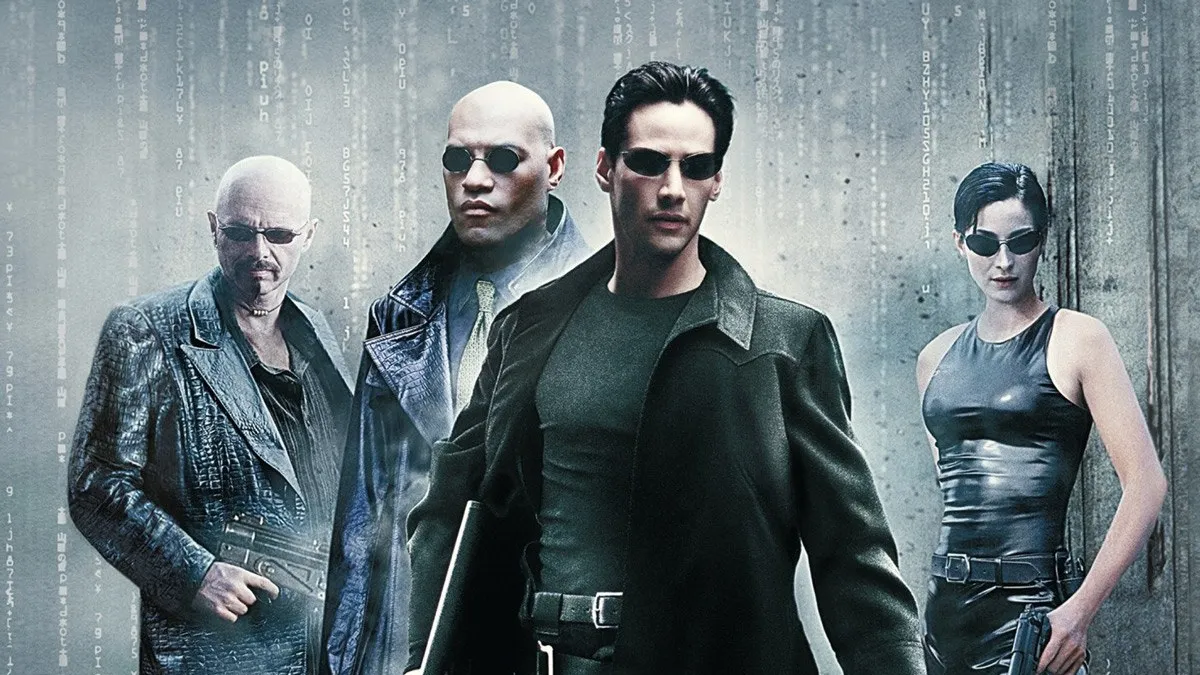
The Simulation of Space: Virtual Architecture and VFX in The Matrix (1999)

matrix-1999

The 1999 theatrical release of The Matrix, directed by Lana and Lilly Wachowski, fundamentally redefined the visual threshold of contemporary action and science fiction cinema. While the film’s dystopian narrative captured the cultural anxieties of the approaching millennium, its true legacy lies in its radical synthesis of digital technologies and traditional practical stunt work. Alongside … Read more

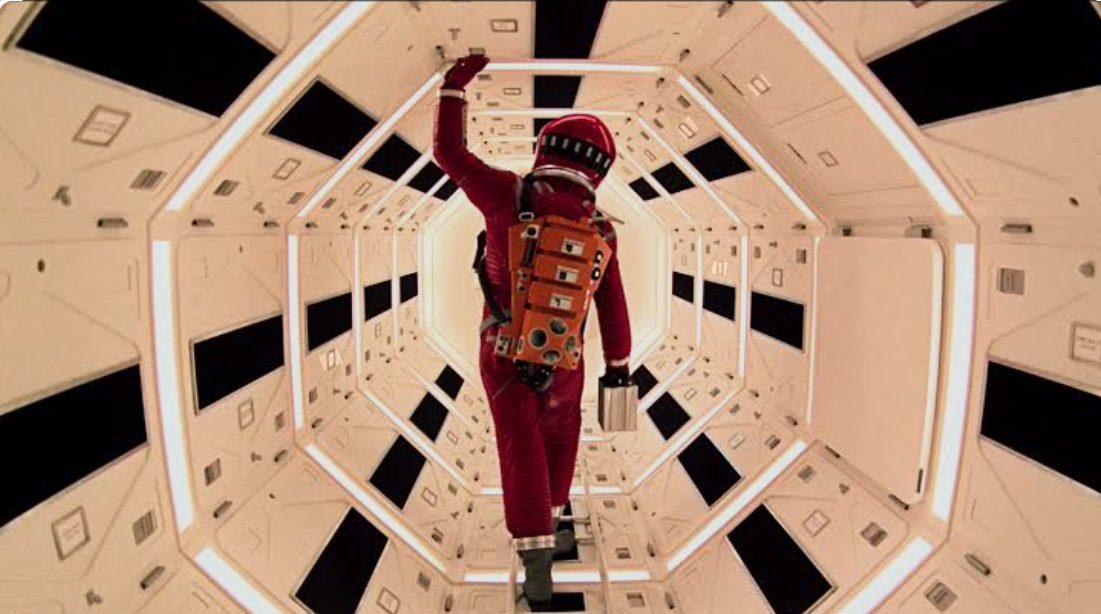
The Anatomy of Space: Symmetry and Cinematography in Stanley Kubrick’s 2001: A Space Odyssey (1968)

2001-space-odyssey-centrifugal-hallway-cinematograph

The 1968 release of Stanley Kubrick’s 2001: A Space Odyssey permanently altered the visual vocabulary of science fiction cinema. Alongside director of photography Geoffrey Unsworth, Kubrick abandoned the campy, shadow-drenched aesthetics of 1950s sci-fi in favor of a sterile, blindingly bright, and mathematically precise realism. At the center of this cinematography milestone is the interior … Read more

The Facade of Control: Character Blocking and Subtextual Narrative in Barker’s Obsession (2026)

Obsession 2026 Curry Barker directorial blocking scene

When Curry Barker released Obsession in 2026, he delivered a masterclass in psychological tension, permanently altering the grammar of the contemporary domestic thriller. Rather than relying on external plot twists or melodramatic outbursts, Barker focuses his directorial vision on the quiet, devastating spaces between actions. At the center of this narrative milestone is the sequence … Read more

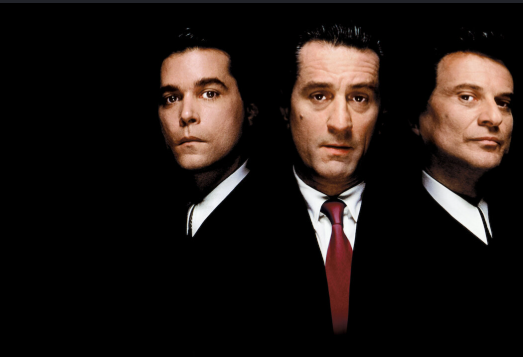
The Architecture of Chaos: Kinetic Direction, Voice-Over Authority, and Narrative Pacing in Goodfellas (1990)

Goodfellas 1990 featured image and movie poster showing Henry Hill, Jimmy Conway, and Tommy DeVito under moody low key lighting setup

Martin Scorsese’s 1990 crime epic, Goodfellas, fundamentally dismantled the traditional, romanticized tropes of the American gangster film. While contemporary critics frequently praise the picture for its razor-sharp dialogue and pop-infused soundtrack, its true cinematic brilliance lies in its radical narrative architecture. Working alongside editor Thelma Schoonmaker and cinematographer Michael Ballhaus, Scorsese engineered a hyper-kinetic visual … Read more

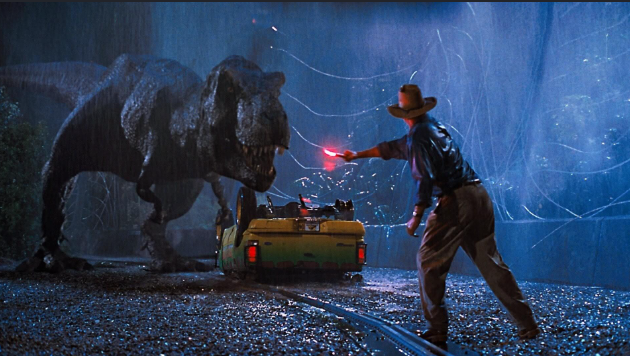
The Illusion of Life: Animatronics, Pioneering CGI, and the Visual Symbiosis of Jurassic Park (1993)

jurassic park(1993)

Steven Spielberg’s 1993 sci-fi masterpiece, Jurassic Park, fundamentally altered the technological trajectory of global cinema. While modern audiences often remember the film for its suspenseful pacing and iconic John Williams score, its true legacy lies in its pioneering visual grammar. Working alongside the legendary practical effects master Stan Winston and Dennis Muren’s digital team at … Read more

Neon and Noir: The Visual Architecture and Lightscapes of Pulp Fiction (1994)

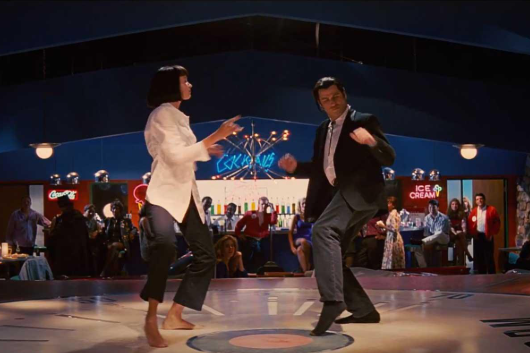
Quentin Tarantino’s 1994 masterpiece, Pulp Fiction, fundamentally redefined the aesthetic and narrative boundaries of independent American cinema. While much of the film’s critical legacy centers on its non-linear screenplay and pop-culture-infused dialogue, its visual grammar is equally revolutionary. Working alongside director of photography Andrzej Sekula, Tarantino crafted a distinct, hyper-stylized world that paid homage to … Read more

The Underdog’s Pacing: Direction and Emotional Resonance in John G. Avildsen’s Rocky (1976)

When John G. Avildsen directed Rocky in 1976, he established a cinematic blueprint for the sports drama that has been replicated for decades. However, separating the original film from its subsequent franchise action tropes reveals a gritty, character-driven piece of American independent filmmaking. At its core, Rocky is not a movie about boxing; it is … Read more

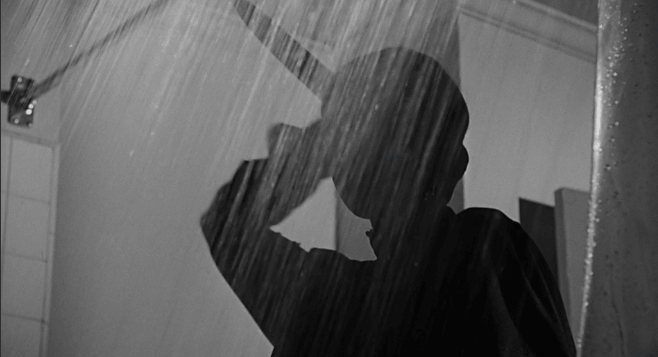
The Anatomy of Fear: Cinematography and Visual Storytelling in Psycho’s Shower Scene

When Alfred Hitchcock released Psycho in 1960, he permanently altered the language of cinematic horror. Instead of relying on supernatural monsters or graphic gore, Hitchcock turned his attention toward psychological dread. At the center of this cinematic milestone is the legendary 45-second shower scene. More than just a murder sequence, it is a remarkable achievement … Read more