
When John G. Avildsen directed Rocky in 1976, he established a cinematic blueprint for the sports drama that has been replicated for decades. However, separating the original film from its subsequent franchise action tropes reveals a gritty, character-driven piece of American independent filmmaking. At its core, Rocky is not a movie about boxing; it is a profound exploration of urban isolation, dignity, and personal redemption. Avildsen’s direction transforms Sylvester Stallone’s minimalist script into a masterclass of narrative pacing and environmental storytelling.
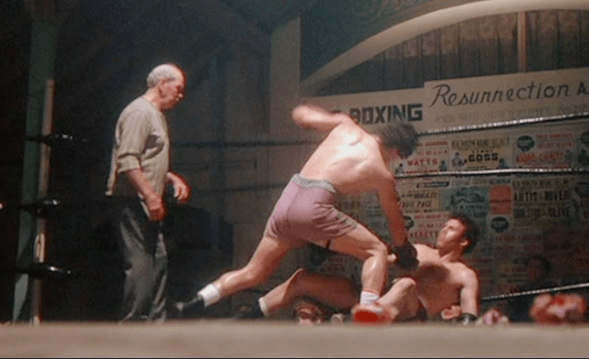
In this comprehensive analysis, we break down how Avildsen used directional choices, character blocking, and structural pacing to elevate a simple underdog formula into a multi-Oscar-winning cinematic achievement.
1. Environmental Directing and the Architecture of Solitude
One of Avildsen’s most critical directorial triumphs lies in how he establishes the geography of South Philadelphia. Instead of treating the city as a passive backdrop, the camera frames the urban environment as an active antagonist that reflects Rocky Balboa’s internal stagnation and psychological weariness.
The film deliberately avoids the grand, historical landmarks of Philadelphia during its initial acts. Instead, Avildsen confines Rocky to decaying streets, industrial docks, and dimly lit alleyways. The cinematography favors wide, long-distance shots that swallow the protagonist within the vast emptiness of the urban winterscape, emphasizing his disconnection from society.
The Metaphor of the Apartment
Rocky’s apartment serves as a physical extension of his narrative state. Avildsen blocks the movement within this small space with intense precision. The room is cramped, cluttered, and poorly illuminated, illuminated only by harsh neon light leaking through the window tiles.
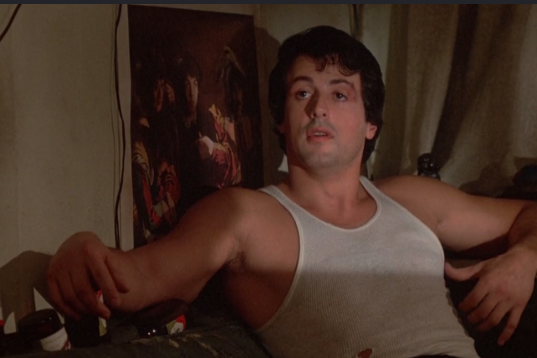
By keeping the camera static and close to the floor, the director forces the audience to feel the claustrophobia of Rocky’s existence. Every action—from feeding his turtles to staring at a childhood mirror portrait—is executed with a slow, deliberate cadence that mirrors a life going nowhere.
Juxtaposition of Scale
Avildsen contrasts Rocky’s small world with the corporate grandeur of the heavyweight championship machinery. When Apollo Creed is introduced, the setting shifts to bright, sterile executive offices filled with television screens, promotional posters, and wealthy promoters.
This directional contrast creates an immediate visual and psychological gulf between the two fighters. Creed occupies an environment of excess and hyper-edited media presentation, while Rocky remains anchored to the slow, raw reality of the streets, highlighting the massive stakes of the narrative conflict.
2. Narrative Pacing: Subverting the Sports Genre Conventions
Traditional sports narratives often rush through character development to focus heavily on the physical preparation and competitive tension. Avildsen deliberately subverts this expectation by slowing down the narrative engine of the first two acts of the film.
For the first hour of the film, boxing is treated as an unglamorous chore rather than a heroic calling. We watch Rocky collect debts for a local loan shark, walk through the neighborhood, and attempt to build a relationship with Adrian. This meticulous pacing ensures that the audience invests heavily in the human being before care about the fighter.
The Rhythm of the Romantic Subplot
The relationship between Rocky and Adrian is directed with an unusual tenderness for a sports film. Avildsen relies on long, uninterrupted takes during their conversations, allowing the natural awkwardness and vulnerability of the actors to breathe on screen.
During the famous ice-skating rink scene, the camera tracks alongside them smoothly, creating an isolated bubble of warmth within a cold, empty building. The director’s refusal to cut away early forces the viewer to experience the genuine, unhurried evolution of their emotional bond, turning the romance into the film’s structural anchor.
The Evolution of the Training Montage
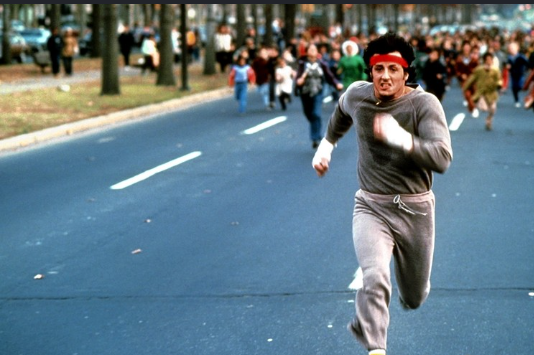
When the legendary training montage finally arrives, its narrative impact is amplified by the slow pacing that preceded it. Avildsen shifts the visual language of the film entirely, utilizing the newly invented Steadicam technology to create a sense of liberated fluidity and building momentum.
The progression from Rocky struggling to wake up at 4:00 AM to triumphantly conquering the steps of the Philadelphia Museum of Art represents more than physical fitness; it is a structural crescendo. The pacing transitions from heavy, static camera setups to dynamic, upward-climbing movements that lift the audience out of the urban depression established in the opening frames.
3. The Final Battle: Directing Realism and Defeat as Victory
The climax of the film inside the Spectrum arena is a masterclass in blocking and tension management. Rather than directing a polished, choreographed dance, Avildsen approaches the match with the stylistic sensibilities of a documentary filmmaker.
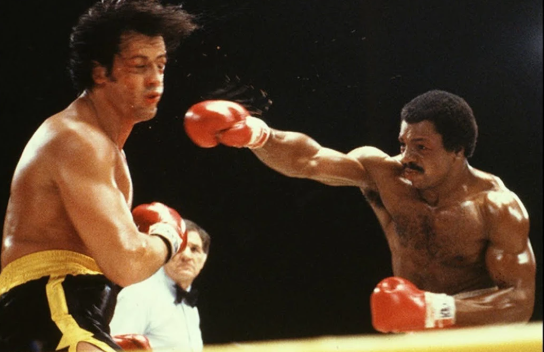
The camera placements during the fight are remarkably intimate, capturing the visceral impact of every single blow, the swelling tissue, and the flowing blood. Avildsen focuses on close-ups of the fighters’ faces and torsos rather than wide shots of the ring, trapping the audience inside the exhausting physical ordeal.
The Narrative Subversion of the Ending
The emotional climax of the fight is not the victory over Apollo Creed, but Rocky’s refusal to stay down on the canvas. Through careful cross-cutting between Rocky’s agonizing effort to stand up and Mickey’s desperate commands from the corner, Avildsen redefines the terms of success.
When the final bell rings, the director makes the crucial choice to drown out the stadium announcer’s voice declaring the split-decision verdict. The sound design prioritizes Rocky’s frantic cries for Adrian, and the camera locks into a chaotic, handheld crowd sequence.
By visually and auditorily dismissing the official athletic outcome, Avildsen’s direction firmly cements the ultimate theme of the narrative: Rocky won his true battle for self-worth and human connection long before the judges ever counted the scorecards.
Explore more deep dives in our Direction & Narrative section.