The Visual Weight of Tragedy: Large-Format Optics and Lighting in Infinity War (2018)
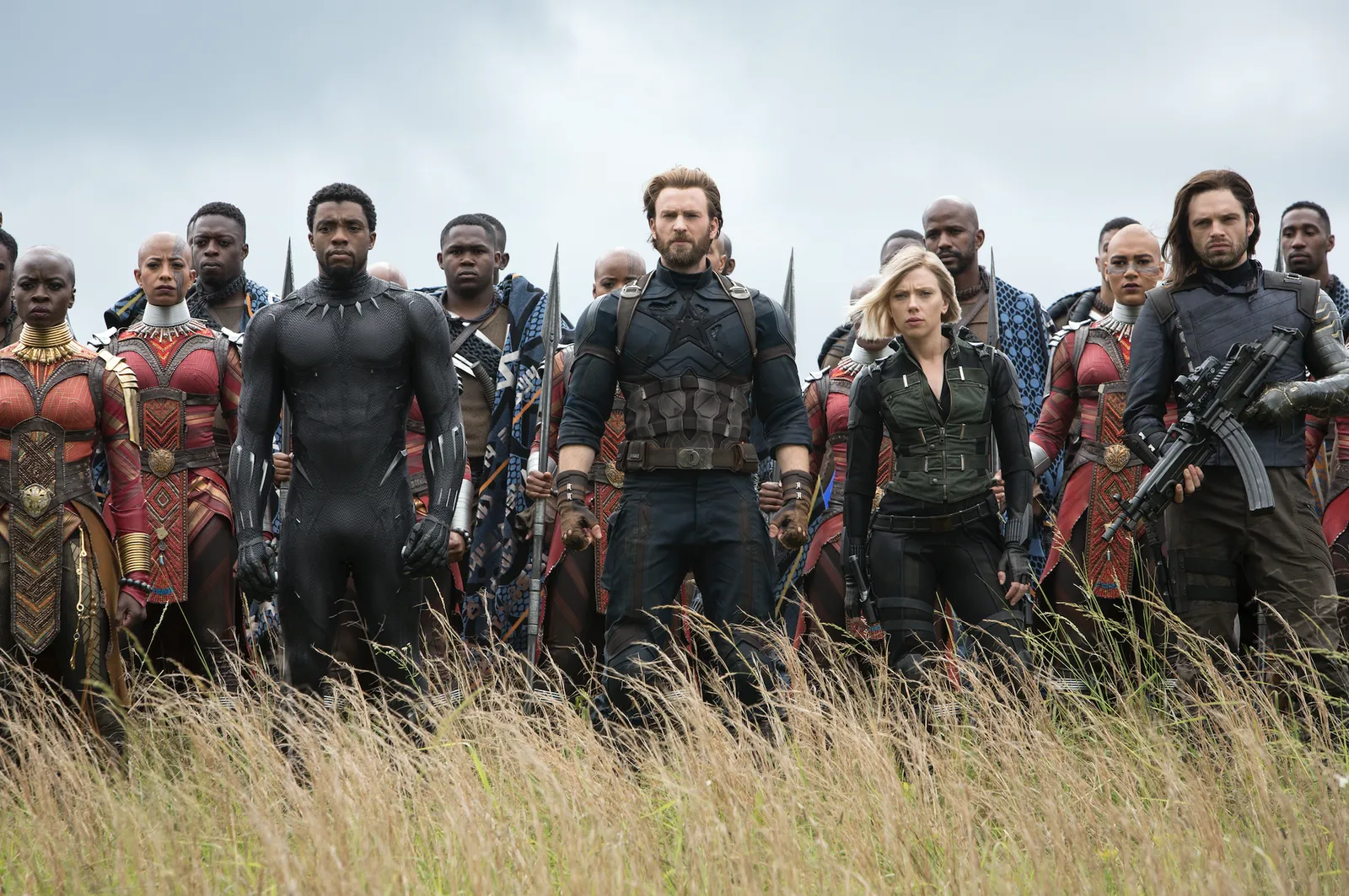
avengers-infinity-war(2018)

Elevating a cosmic comic-book adaptation into a grounded visual tragedy requires a radical departure from traditional blockbusters’ flat, high-key saturation paradigms. In Avengers: Infinity War (2018), cinematographer Trent Opaloch and the Russo brothers achieved this structural shift by implementing an expansive visual grammar rooted in classical multi-source lighting setups, dense architectural shadows, and complex large-format … Read more
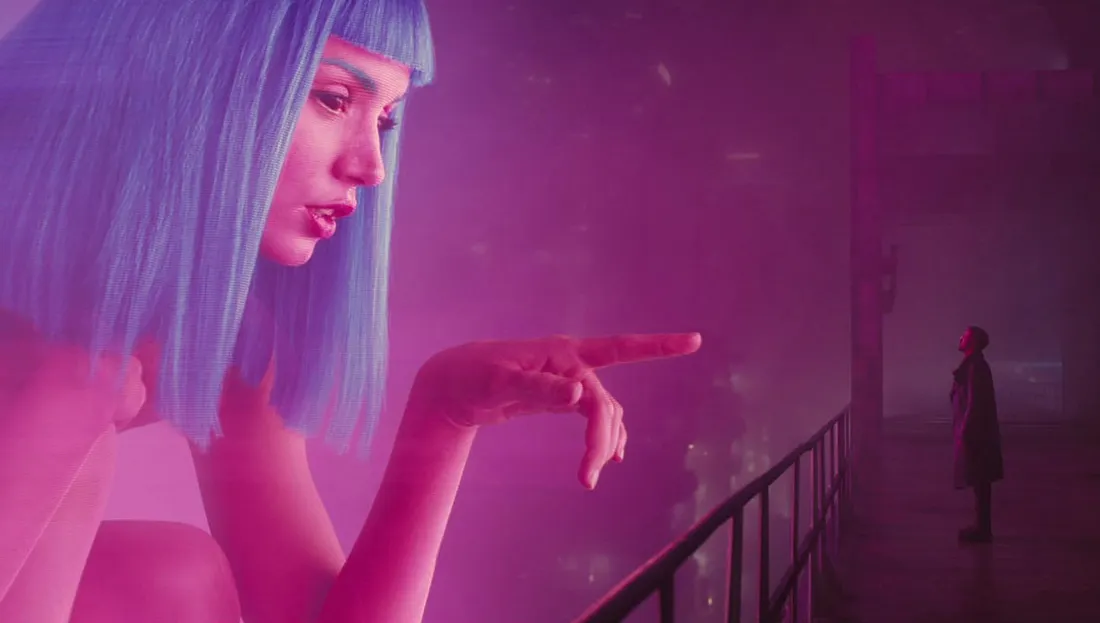
The Geometry of Dust: Silhouette Lighting and Color Space in Blade Runner 2049 (2017)

blade runner(2049)

The 2017 dystopian masterpiece Blade Runner 2049, directed by Denis Villeneuve and photographed by master cinematographer Roger Deakins, ASC, BSC, represents a watershed milestone in contemporary digital cinematography. Rather than relying on the saturated, kinetic digital aesthetics common in modern science fiction, Deakins constructed a visually oppressive, geometrically rigorous universe utilizing primitive light sources, deep … Read more

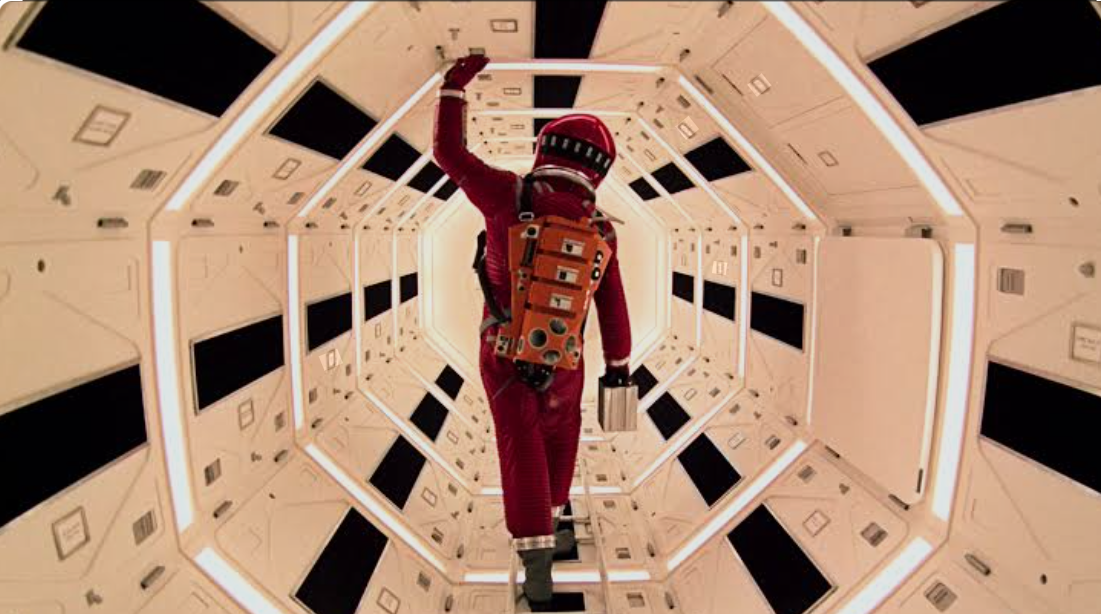
The Anatomy of Space: Symmetry and Cinematography in Stanley Kubrick’s 2001: A Space Odyssey (1968)

2001-space-odyssey-centrifugal-hallway-cinematograph

The 1968 release of Stanley Kubrick’s 2001: A Space Odyssey permanently altered the visual vocabulary of science fiction cinema. Alongside director of photography Geoffrey Unsworth, Kubrick abandoned the campy, shadow-drenched aesthetics of 1950s sci-fi in favor of a sterile, blindingly bright, and mathematically precise realism. At the center of this cinematography milestone is the interior … Read more

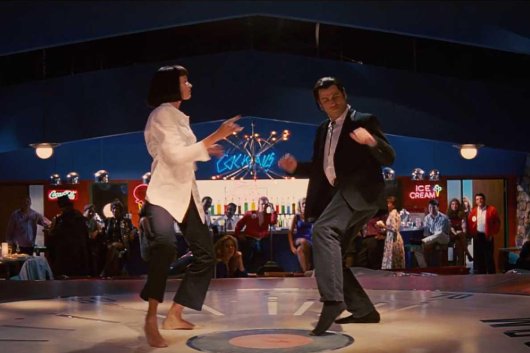
Neon and Noir: The Visual Architecture and Lightscapes of Pulp Fiction (1994)

Quentin Tarantino’s 1994 masterpiece, Pulp Fiction, fundamentally redefined the aesthetic and narrative boundaries of independent American cinema. While much of the film’s critical legacy centers on its non-linear screenplay and pop-culture-infused dialogue, its visual grammar is equally revolutionary. Working alongside director of photography Andrzej Sekula, Tarantino crafted a distinct, hyper-stylized world that paid homage to … Read more

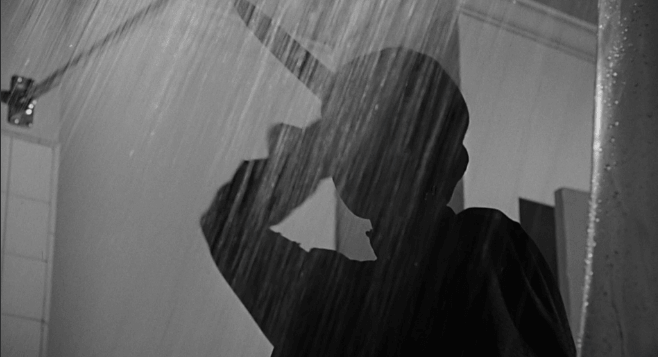
The Anatomy of Fear: Cinematography and Visual Storytelling in Psycho’s Shower Scene

When Alfred Hitchcock released Psycho in 1960, he permanently altered the language of cinematic horror. Instead of relying on supernatural monsters or graphic gore, Hitchcock turned his attention toward psychological dread. At the center of this cinematic milestone is the legendary 45-second shower scene. More than just a murder sequence, it is a remarkable achievement … Read more