
When analyzing the structural taxonomy of the scariest horror movies in cinematic history, the directorial execution of John Carpenter’s Halloween (1978) remains a foundational masterclass in atmospheric oppression. Rather than relying on continuous visceral spectacle or high-frequency editorial cuts to shock the audience, the production engineered its psychological weight through severe spatial deprivation, calculated tracking camera mechanics, and a rigid non-linear tension deployment. Shot on specialized Panavision wide-format systems using high-contrast anamorphic optics, the film transforms standard, well-lit suburban environments into claustrophobic arenas where threat metrics are determined entirely by geometric composition and deep-focus frame segmentation.
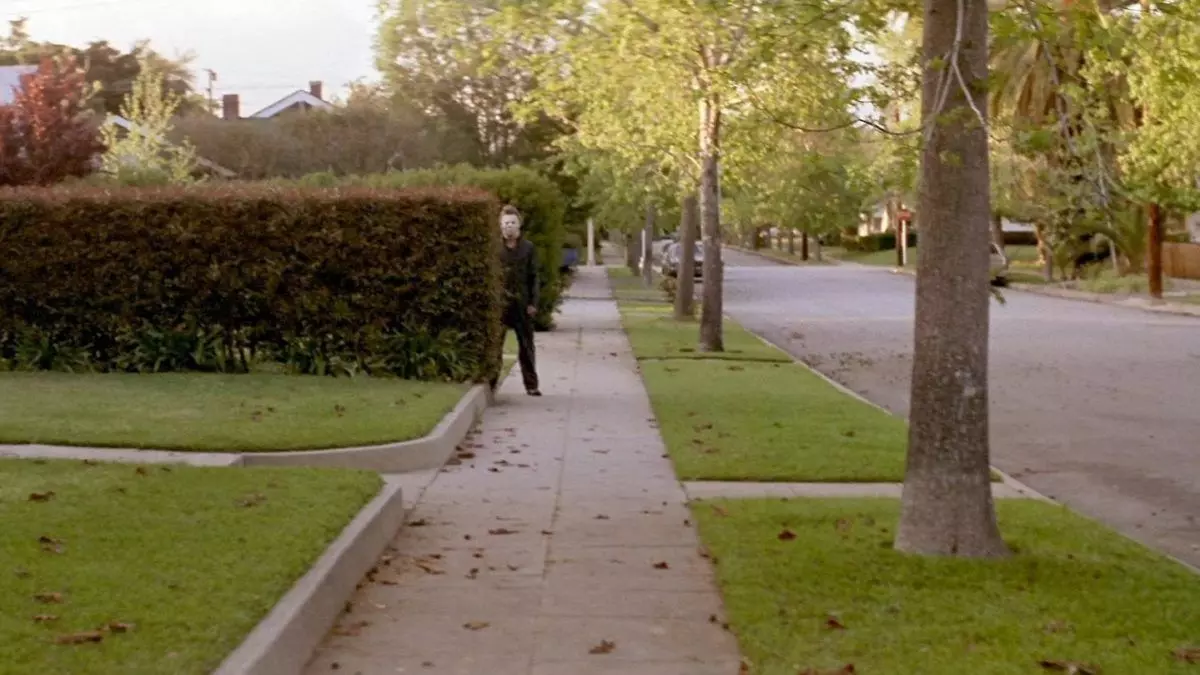
Anamorphic Fields and the Directorial Architecture of Negative Space
The defining structural property of the film’s directorial layout relies on the systematic exploitation of wide-angle horizontal axes. Carpenter bypassed standard medium lenses, opting instead for the Panavision Panaglide system paired with vintage anamorphic glass. This technical configuration introduces non-linear horizontal compression factors that widen the visual field while maintaining a strict, shallow depth-of-field control when required. By forcing wide, low-horizon compositions within everyday residential settings, the camera forces the viewer to continuously scan the entire horizontal spectrum of the screen, creating an acute psychological state of spatial vulnerability.
Throughout the daylight sequences, the direction deliberately positions the antagonist within the distant, deep-focus layers of the background matrix, often obscured by architectural lines or organic foliage. This calculated spatial placement disrupts traditional Hollywood focus priority systems. Because the camera remains completely static or moves at a slow, immutable tracking velocity, the narrative pacing establishes a heavy environmental spatial latency. The viewer is forced to calculate the distance between the primary subject in the foreground and the static threat in the background, a structural mechanics that isolates the characters within an inescapable framework of impending confrontation, setting the baseline blueprint for how the scariest horror movies manipulate architecture to generate terror.
The Geometric Containment of Haddonfield
The framing throughout the early acts utilizes strong vertical structures—such as telephone poles, wooden fences, and residential doorways—to divide the widescreen canvas into strict geometric segments. Carpenter uses these clean architectural lines to restrict character movement and guide the spectator’s focus toward empty spaces.
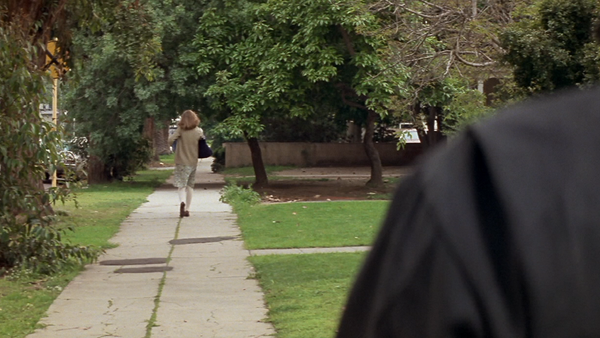
The camera execution is highly calculated, balancing smooth, mechanical tracking sequences with sudden static cutdowns. By maintaining absolute control over camera deceleration and spatial orientation, the direction emphasizes the physical vulnerability of the subjects. The wide suburban streets feel highly restrictive and exposed, turning an open neighborhood into a cold, clinical pressure chamber where every diagonal line points toward a hidden geometric threat.
Conversational Latency and the Auditory Framework of Atmospheric Oppression
The climax of the film’s narrative execution centers on the visceral deconstruction of domestic spaces during the night sequences. Rather than formatting the final acts as a rapid action sequence, the directorial choice treats the events as a pure sensory deprivation experiment, utilizing absolute shadow blocks, asymmetric framing matrices, and a highly restrictive, synthesized auditory soundscape to physicalize isolation.
The Auditory Subtext of the Minimalist Score
To successfully execute this atmospheric compression without traditional high-budget technical setups, the direction stripped away standard orchestral arrangements, relying exclusively on a proprietary, driving electronic music score recorded in an asymmetrical 5/4 time signature. This minimalist electronic rhythm tracks the progression of the scenes with mathematical precision, acting as a relentless mechanical metronome that dictates the structural latency of the editorial cuts. The sound matrix isolates these sharp electronic frequencies against raw, organic background noises, such as heavy breathing and wind rustling through foliage.
This tight auditory containment forces absolute dramatic focus onto the frame’s micro-movements. The camera remains fixed in low-angle positions, utilizing the deep, absolute shadows cast by high-contrast key lights to slice the internal household geometry in half. This rigorous adherence to heavy environmental contrast transforms the sequence from a simple suspense mechanism into a profound exploration of spatial vulnerability under extreme physical limitation, a calculating execution that directly mirrors the dense thematic tracking systems we examined within our Kill Bill Vol 2 directorial pacing breakdown, proving that tension peaks when directors refuse to compromise on either structural timeline displacements or absolute spatial containment.
The Dramatic Resolution of the Unyielding Frame
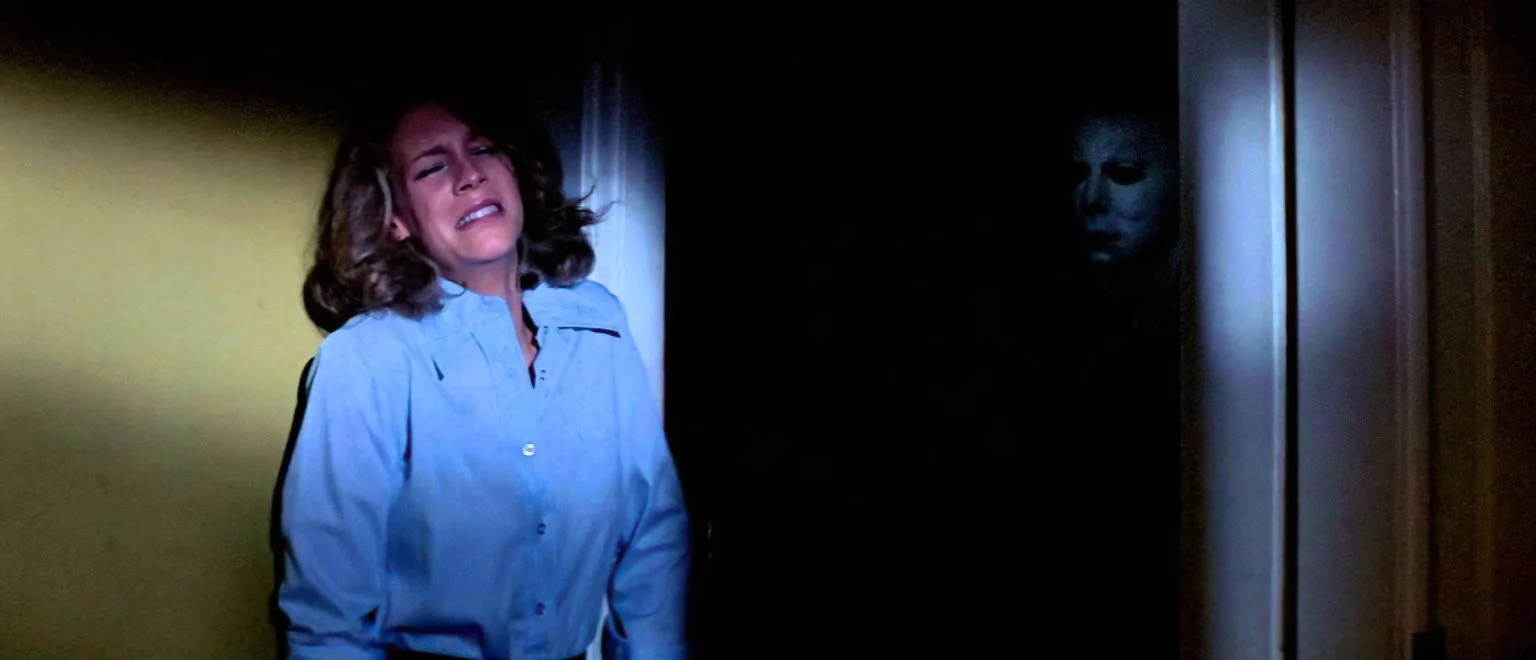
The final confrontation sequences transition completely away from rapid visual resolution toward a protracted, highly static wide-angle tracking matrix. To execute this narrative liquidation, Carpenter relies on long-form fixed setups that track the subtle physical shifts of the performers with clinical precision. The visual array—notably the famous sequence where the pale mask slowly materializes out of the total darkness behind the primary subject—functions as a precise spatial manipulation tool to dismantle the safety of the domestic environment before the final physical resolution occurs.
The camera remains completely unyielding throughout this encounter, avoiding any modern handheld jitter or digital convenience. By maintaining this steady, clinical visual stance, the direction underscores the absolute, inescapable finality of the narrative arc. When the final frame cuts to a montage of empty, quiet rooms filled only with the echo of rhythmic respiration, it occurs not as a standard resolution, but as a calculated mathematical statement on the immortality of environmental threat, cementing the production as an undisputed masterpiece of contemporary independent narrative structure.
Explore more technical breakdowns in our Direction & Narrative section.