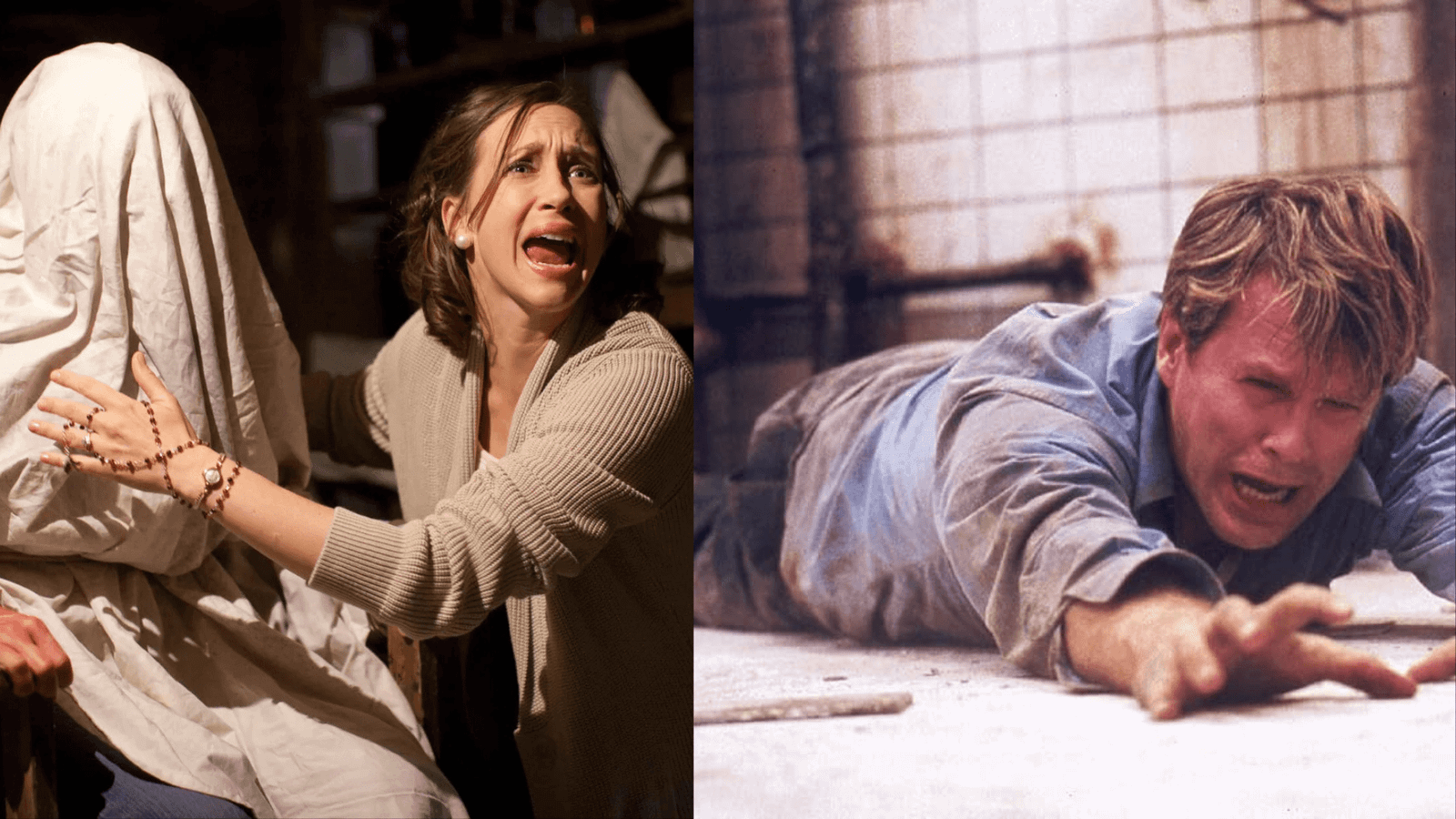
When defining the best horror movies of all time, true cinematic dread is never achieved by mere jump scares or formulaic genre tropes. Instead, visceral terror is meticulously engineered through precise camera geometry, deliberate contrast lighting, and calculated spatial isolation that subverts the audience’s subtextual expectations. As the autumn season peaks, this curated analysis bypasses the systemic exhaustion of generic, commercial lists to dissect ten definitive masterpieces. By focusing heavily on internal architecture, cinematography, visual effects, and analytical blocking, this breakdown reveals how physical mechanics and technical discipline transform fear into pure cinematic art.
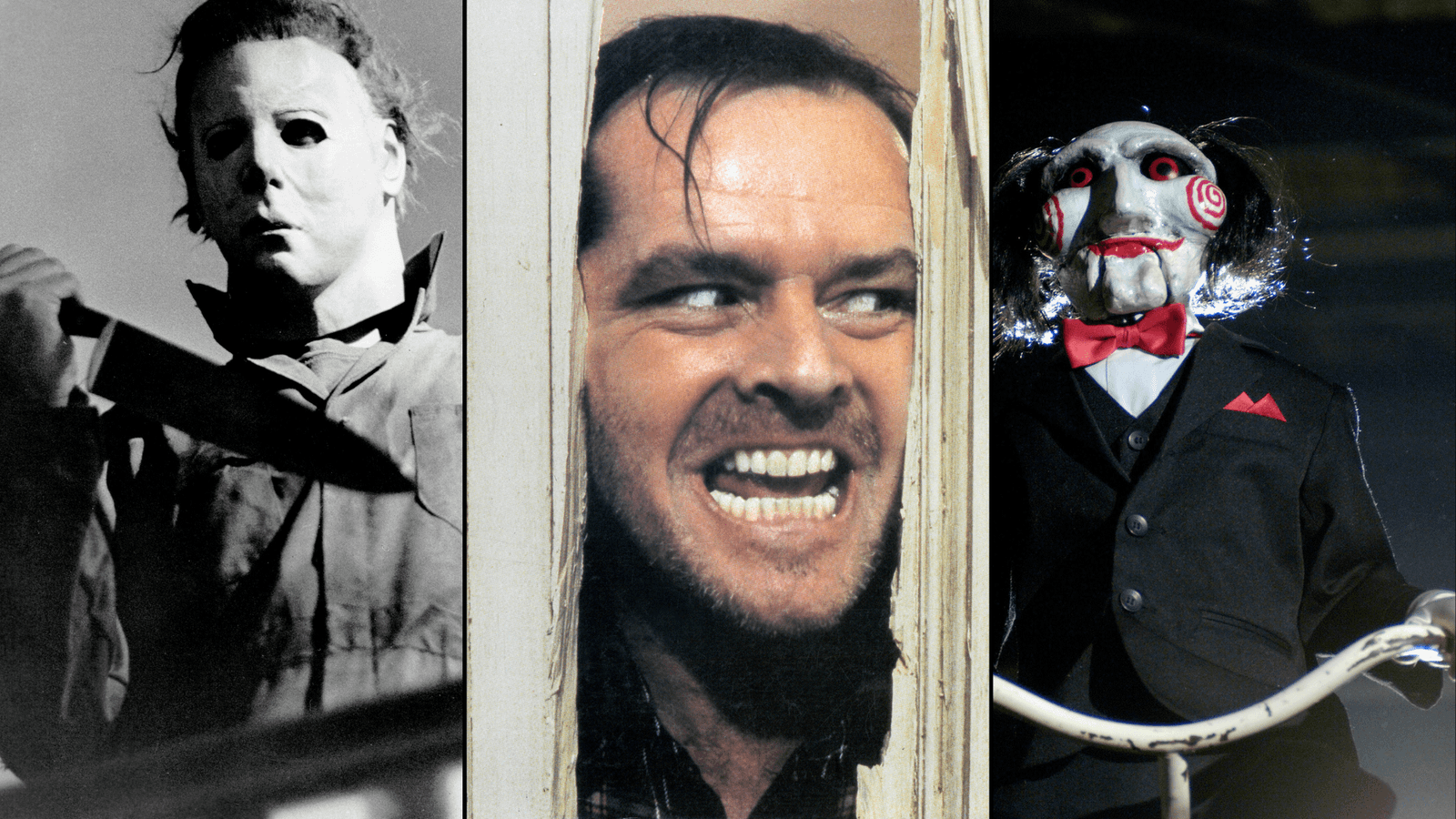
The Slasher Genre: Geometric Precision and Spatial Stalking
The structural efficacy of early slasher cinema relies entirely on how the physical environment is framed to induce vulnerability. Rather than relying on graphic shock value, the pioneers of the subgenre treated the frame as a literal hunting ground, using wide focal lengths to compress the human subjects against wide, unprotected environments. By subverting standard close-up rules, these films turned everyday residential spaces into cold, open-air mazes where the threat is structurally integrated into the lines of the background architecture.
1. Halloween (1978) — Panavision Anamorphic & Spatial Stalking
John Carpenter and cinematographer Dean Cundey completely redefined the visual grammar of the slasher genre by transforming the frame into a weapon of structural voyeurism. Utilizing Panavision 35mm anamorphic lenses, Cundey deliberately placed Michael Myers on the extreme edges of the wide 2.35:1 canvas. By utilizing deep focus grids, the camera blends the killer organically into the geometric lines of suburban hedges and doorways. This calculated use of negative space forces the spectator’s eyes to constantly scan the absolute boundaries of the wide frame, generating an inescapable atmosphere of claustrophobic paranoia within open daylight environments.
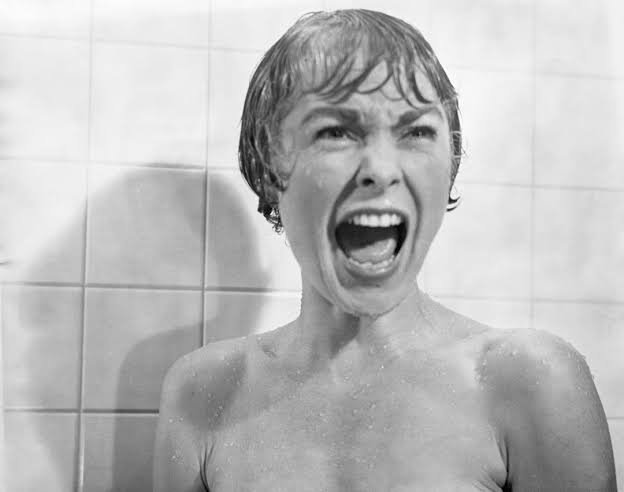
2. Psycho (1960) — Fragmented Editing & The Shower Scene Anatomy
Alfred Hitchcock’s seminal masterpiece shattered conventional studio lighting layouts by weaponizing extreme editorial pacing and acute lens distortion. In the iconic shower sequence, the absolute illusion of physical violence is achieved not through graphic display, but via high-contrast lighting transitions and a rapid-fire montage of precise mathematical frames. For a complete, dedicated breakdown on how Hitchcock utilized low-angle tracking grammar and high-contrast exposure boundaries to ground this absolute classic, read our full Psycho Technical Cinematography Analysis.
Psychological Horror: The Visual Architecture of Madness
Psychological horror shifts the conflict from an external physical threat to the internal disintegration of the mind. To visualize this breakdown, directors reject standard handheld tracking, favoring rigid, unnatural camera movements and extreme optical setups. The environments cease to function as passive backgrounds and become active extensions of mental isolation, forcing the spectator to experience spatial disorientation alongside the characters.
3. The Shining (1980) — Steadicam Isolation & Symmetrical Paranoia
Stanley Kubrick transformed the Overlook Hotel into a physical, architectural manifestation of psychological decay by weaponizing geometric symmetry. Utilizing the then-revolutionary Steadicam system operated by Garrett Brown, Kubrick decoupled the camera from traditional human height constraints. This established a hauntingly smooth, low-angle tracking grammar that mirrors an unseen, omnipresent entity tracking the characters. The visual terror relies heavily on one-point perspective alignment, forcing the audience’s gaze into dead-center vanishing points that trigger immediate, subconscious anxiety.
4. The Thing (1982) — Anamorphic Paranoia & Bio-Mechanical Textures
John Carpenter and cinematographer Dean Cundey utilized the wide canvas to harvest intense claustrophobia rather than open vistas. Through masterful anamorphic framing, characters are constantly isolated against deep, dark pockets of negative space, forcing the viewer to scan the darkness for shifting bio-mechanical threats. Explore the full details of this technical masterclass regarding its spherical glass, practical lighting layouts, and animatronic rigging in our full The Thing Directing and Practical Effects Breakdown.
5. Get Out (2017) — Close-Up Distortion & Social Subtext
Jordan Peele modernizes psychological tension by shifting focus toward oppressive, wide-angle lens selection during intense close-ups. By employing macro lenses at extreme proximity during highly charged narrative moments, the cinematography distorts the natural spatial proportions of the human face. This optical distortion induces an immediate, subconscious claustrophobia in the spectator, perfectly mirroring the character’s internal sense of entrapment and loss of social autonomy.
Possession & Supernatural: Atmospheric Density and Shadow Staging
Supernatural dread requires the visualization of the invisible. Modern and classic masters achieve this by altering the physical qualities of the room itself. By manipulating air density, utilizing wide dynamic range sensors, and staging assets within unexposed light vectors, these films turn empty air into a threatening, heavy entity that pushes against the human operators inside the frame.
6. The Exorcist (1973) — Thermal Realism & Low-Light Optics
William Friedkin and cinematographer Owen Roizman completely rejected artificial studio lighting by forcing the physical environment to dictate the visual tone of the film. By literally freezing the bedroom set down to sub-zero temperatures, Roizman captured the genuine atmospheric density of the actors’ breath under raw, hard backlighting fields. This turned the physical climate into a tangible extension of demonic presence on screen. Discover the exact details of how this clinical, documentary-style framework was achieved in our dedicated Owen Roizman Technical Cinematography Study.
7. The Conjuring (2013) — Dynamic Range & Continuous Tracking Rigging
James Wan modernized supernatural dread by integrating complex, continuous camera movements with extreme low-light digital exposures. Utilizing advanced mechanical rigging and wide dynamic range digital sensors, the camera fluidly glides through internal domestic spaces. The cinematography deliberately hides malicious assets within the unexposed fall-off gradients of deep shadows, forcing the spectator to scan the low-key lighting setups for subtle geometric shifts.
8. Hereditary (2018) — Diorama Framing & Seamless Match Cuts
Ari Aster establishes an oppressive sense of supernatural determinism through rigid camera movements that mimic a flat dollhouse layout. By stripping away standard human-level eye heights and adopting flat, perpendicular tracking shots that ignore physical walls, the film removes standard spatial boundaries. The camera treats the characters as helpless specimens trapped inside an intricate, pre-designed visual maze.
Gore & Body Horror: The Visceral Mechanics of the Flesh
Body horror demands that the physical decay of the flesh feels entirely authentic and tangible to the spectator. To avoid the artificiality of digital effects, the genre relies on high-contrast lighting to accentuate the raw textures of real practical prosthetics. Combined with shifts in color spaces and shutter speeds, these techniques create a disorienting, visceral reaction that physically heightens the viewer’s panic.
9. Saw (2004) — Industrial Color Space & Shaky Frame Rates
James Wan and cinematographer David A. Armstrong engineered an oppressive, grimy aesthetic by utilizing an industrial, cross-processed color palette dominated by sickly greens, corrosive yellows, and oxidized browns. This toxic color space is aggressively combined with irregular shutter angles during violent sequences, creating a disorienting frame-rate stutter that physically heightens the viewer’s visceral panic and temporal disorientation.
10. Hellraiser (1987) — Practical Prosthetics & High-Contrast Leather Textures
Clive Barker’s visceral classic beautifully balances bodily horror with classical expressionist lighting frameworks. Instead of relying on cheap shock value, the film treats practical latex and complex prosthetics with a dark, high-contrast chiaroscuro lighting style reminiscent of traditional Film Noir. This technical choice emphasizes the heavy textures of steel, blood, and leather within the set, making the surreal anatomy feel horrifyingly real, heavy, and tangible on celluloid.