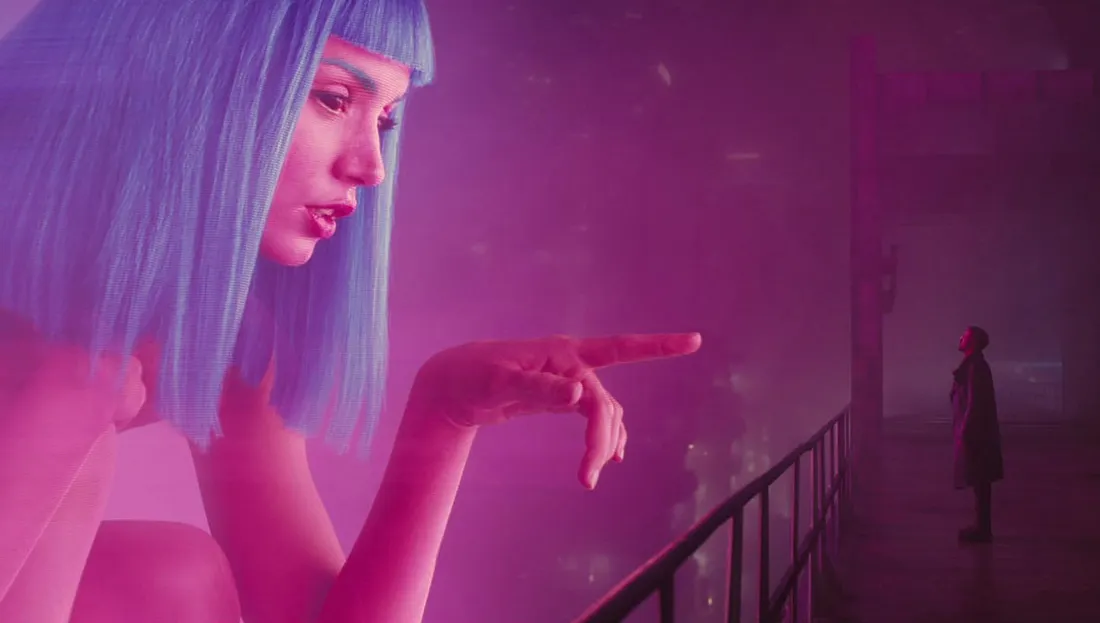
The 2017 dystopian masterpiece Blade Runner 2049, directed by Denis Villeneuve and photographed by master cinematographer Roger Deakins, ASC, BSC, represents a watershed milestone in contemporary digital cinematography. Rather than relying on the saturated, kinetic digital aesthetics common in modern science fiction, Deakins constructed a visually oppressive, geometrically rigorous universe utilizing primitive light sources, deep industrial silhouettes, and radical chromatic shifts. The film’s visual narrative does not merely decorate its post-apocalyptic environment; it actively uses volumetric light and absolute color temperatures to externalize the psychological decay of its replicant protagonist, K. Through a meticulous marriage of physical in-camera lighting rigs and large-format digital sensors, Deakins engineered a stark, clinical reality that systematically explores the boundaries between organic existence and mechanical simulation.

In this technical cinematographic analysis, we examine how the camera team deployed hard-edged silhouette profiles, engineered monochromatic color spaces, and weaponized architectural lighting to redefine the visual language of the neon-noir genre.
1. The Geometry of Isolation: Hard Silhouettes and High-Contrast Contraluz
The core visual strategy used to depict K’s existential alienation is the systematic reduction of human forms into absolute silhouettes. Rather than utilizing traditional three-point Hollywood lighting setups to separate subjects from their backgrounds, Deakins frequently positioned his primary key light sources directly behind the characters. This aggressive use of contraluz strips the subjects of facial detail, texture, and organic identity, transforming living entities into cold, mathematical outlines that merge with the industrial architecture. This clinical approach to environmental geometry and frame isolation echoes the meticulous framing principles we analyzed in our 2001: A Space Odyssey cinematography breakdown, where strict spatial rules are weaponized to mirror machine logic over biological existence.
This technique is deployed with surgical precision within the brutalist interiors of the Wallace Corporation headquarters. The key light sources are not ambient fixtures, but massive, automated lighting rigs that cast sharp, moving geometric shadows across the concrete walls. By exposing strictly for the intense highlights bouncing off the architectural surfaces, the camera pushes the mid-tones and shadows into pure digital blackness. The resulting composition frames the characters as insignificant geometric anomalies trapped inside a massive, corporate machine logic.
Moving Caustics and Synthetic Sunsets
To further desensitize the corporate spaces, Deakins engineered a specialized lighting rig consisting of concentric rings of incandescent halogen lamps suspended over physical water tanks. By dimming and rotating the fixtures sequentially, the production team projected shifting caustic patterns and synthetic wave movements across the monolithic concrete structures.
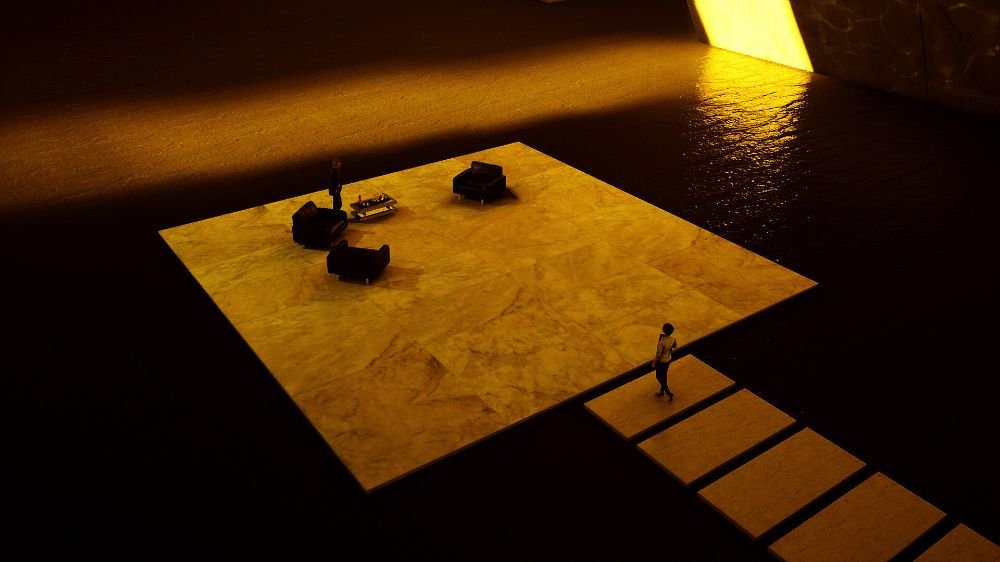
This dynamic interplay of moving light simulates an organic, shifting sunset, yet its mechanical repetition betrays its artificial nature. The camera tracks these sequences with calculated, clinical stillness, emphasizing that within this world, even the natural behavior of sunlight has been entirely digitized, captured, and corporate-owned.
2. Chromatic Oppression: Volumetric Amber and Monochromatic Spaces
The visual narrative undergoes a radical structural shift during the second act, when K travels into the ruins of an abandoned, irradiated Las Vegas. To capture the weight of this toxic wasteland, Deakins abandoned the traditional blue and slate color palettes of the cyberpunk genre, opting instead to submerge the entire cinematic frame within a dense, monochromatic amber color space.
The Filtration of the Volumetric Spectrum
This look was achieved through a rigorous filtration strategy and the deployment of massive volumetric fog machines on open-air studio lots. By bouncing high-powered incandescent lamps off custom-dyed amber diffusion frames, the cinematography team filled the entire physical space with a thick, glowing orange atmosphere. This volumetric light acts as a physical barrier within the frame; it scatters the digital sensor’s intake, blurring distant horizons and turning massive ancient monuments into ghostly, decaying silhouettes.
The emotional impact of this monochromatic amber is suffocating. By stripping the environment of any contrasting cool tones or primary colors, the cinematography forces the viewer into a state of sensory deprivation. The world feels completely dead, baked in permanent atomic dust, where the absence of color variety mirrors the absolute absence of biological life.
The Chromatic Subversion of the Holographic Magenta
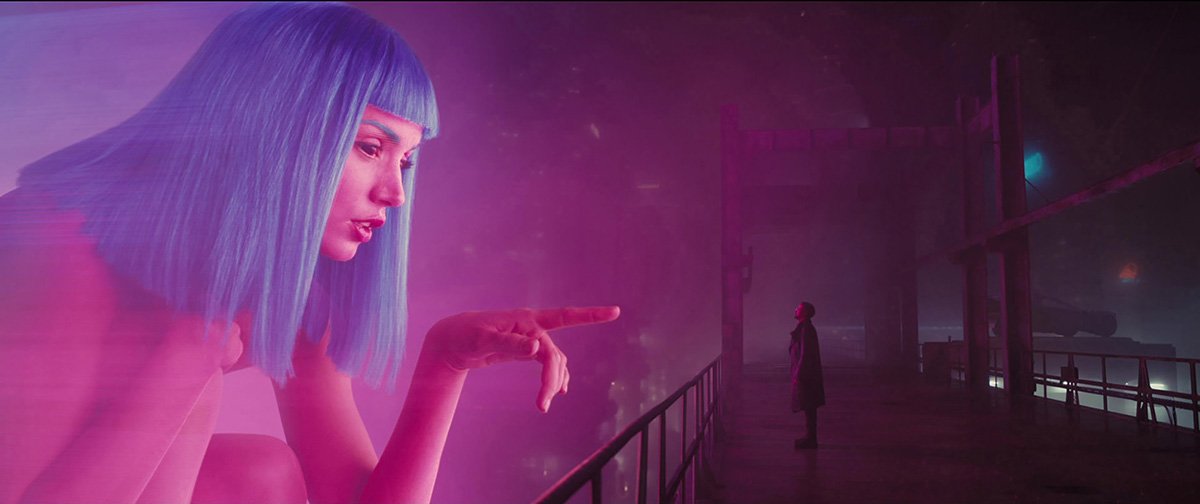
In sharp contrast to the suffocating amber fields and the slate-grey rain of Los Angeles, the film utilizes high-saturation magenta and cyan emissions exclusively for artificial holographic entities, most notably the colossal commercial manifestation of Joi. When K stands before the towering pink hologram in the downpour, the cinematography uses an extreme palette clash.
The intense magenta light bleeds into the wet asphalt and reflecting rain pools, casting a sickly, vibrant glow over K’s dark silhouette. This stark contrast emphasizes the cruel irony of the scene: the only vibrant, warm, and colorful element in K’s universe is a mass-produced, commercial software advertisement. By isolating this high-saturation palette strictly within digital illusions, Villeneuve and Deakins use color temperature to deliver a profound philosophical statement on the commercialization of human desire.
The ultimate triumph of Blade Runner 2049 is its absolute rejection of visual compromise. Through its hard silhouette blocking, moving caustic arrays, and suffocating monochromatic color spaces, the cinematography transforms raw digital technology into a beautiful, clinical elegy for a dying world.
Explore more technical breakdowns in our Cinematography section.
2 thoughts on “The Geometry of Dust: Silhouette Lighting and Color Space in Blade Runner 2049 (2017)”
Comments are closed.