The Architecture of Inequality: Vertical Stratification and Socio-Spatial Geometry in Parasite (2019)

Architecturing a progressive framework of escalating socioeconomic friction within a rigid structural environment requires an absolute control over frame geometry, camera height, and architectural set design. In Parasite (2019), director Bong Joon-ho abandoned traditional upstairs-downstairs cinematic tropes to establish an integrated physical-to-narrative staging blueprint that traps characters inside a carefully stratified structural hierarchy. Rather than … Read more
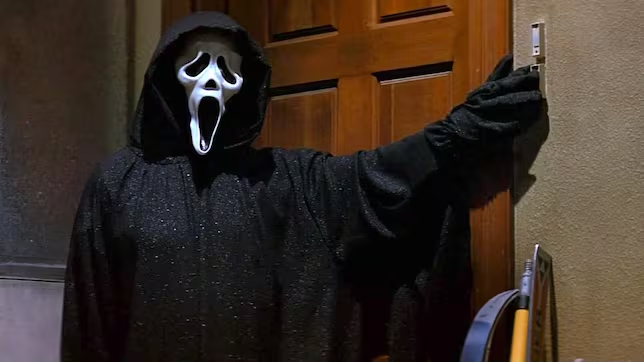

Suburban Subversion: Directorial Pacing and Spatial Vulnerability in Scream (1996)

Constructing a continuous sense of psychological violation within a suburban domestic environment requires absolute precision over frame geometry, off-screen acoustic space, and subversive spatial staging. In Scream (1996), director Wes Craven abandoned traditional slasher tropes to establish an integrated optical-to-narrative staging blueprint that traps characters inside familiar, brightly lit domestic layouts that suddenly mutate into … Read more

Scariest Horror Movies: Directorial Pacing & Tension in Halloween (1978)

When analyzing the structural taxonomy of the scariest horror movies in cinematic history, the directorial execution of John Carpenter’s Halloween (1978) remains a foundational masterclass in atmospheric oppression. Rather than relying on continuous visceral spectacle or high-frequency editorial cuts to shock the audience, the production engineered its psychological weight through severe spatial deprivation, calculated tracking … Read more

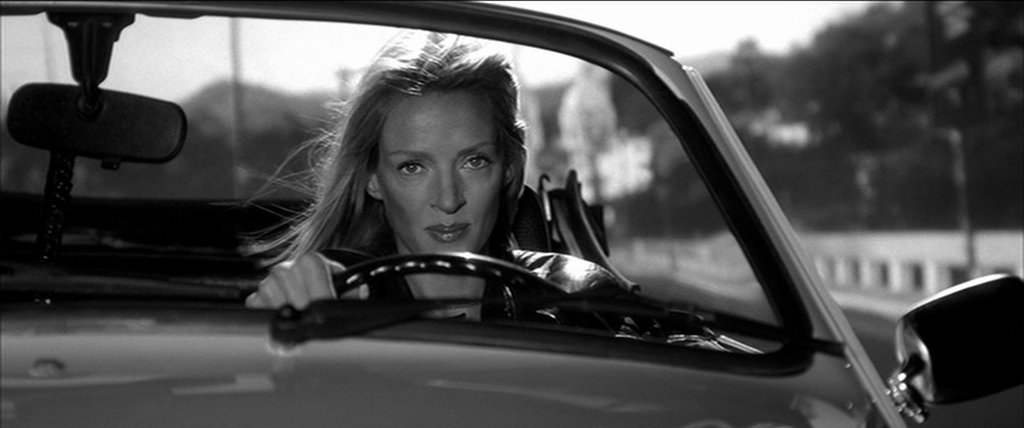
Nonlinear Structures: Directorial Pacing in Kill Bill Vol 2 (2004)

The structural architecture of Quentin Tarantino’s Kill Bill: Vol. 2 (2004) represents a radical, calculating departure from the kinetic pastiche that governed its predecessor. Within the broader narrative framework of contemporary American independent cinema, the production functions as a sophisticated exercise in non-linear chronotope management, conversational tension loops, and severe atmospheric decompression. Rather than relying … Read more

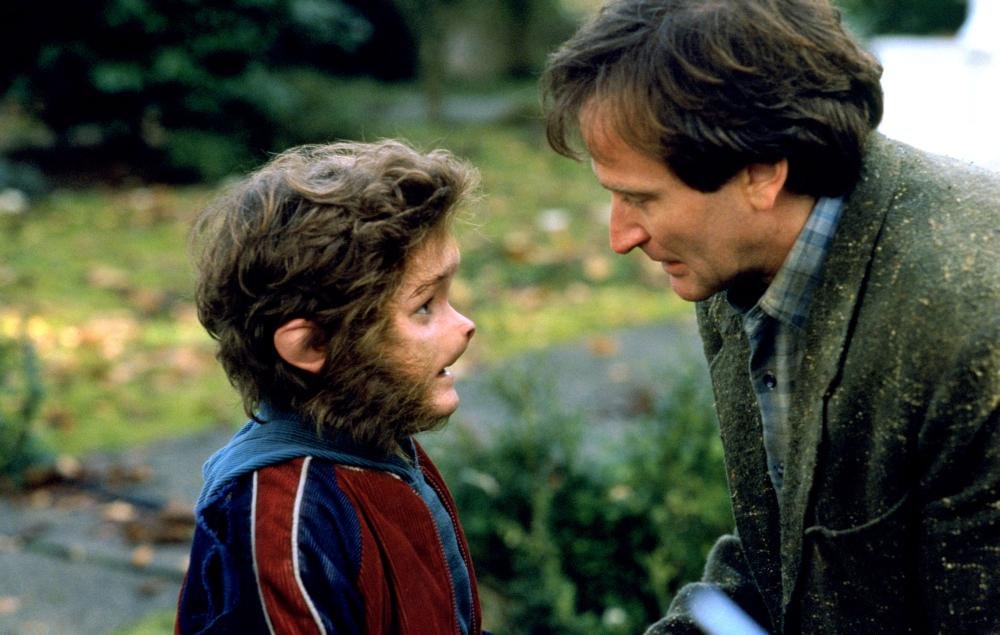
Claustrophobic Geometry: Narrative Pacing and Spatial Chaos in Jumanji (1995)

Structuring a continuous sense of escalating domestic peril within a shifting cinematic environment requires an absolute control over frame geometry, camera pacing, and structural set design. In Jumanji (1995), director Joe Johnston abandoned traditional adventure tropes to establish an integrated physical-to-narrative staging blueprint that traps characters inside a rapidly mutating architecture. Rather than relying on … Read more

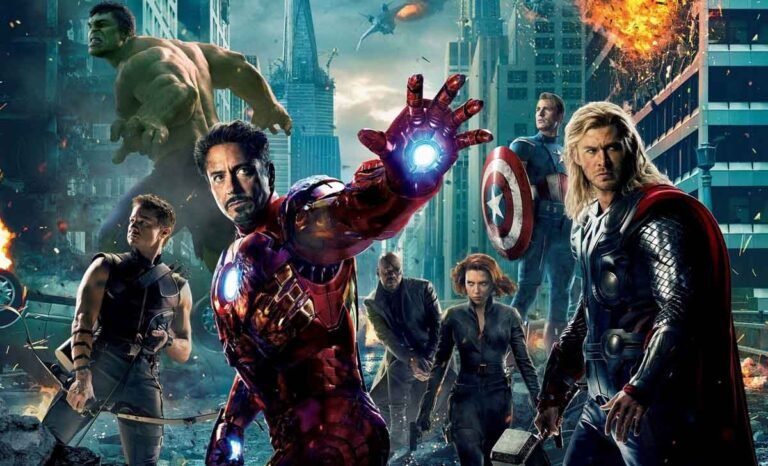
The Mechanics of Crossover: Ensemble Pacing and Spatial Cross-Cutting in The Avengers (2012)

avengers(2012)

Sustaining narrative equilibrium within a multi-protagonist blockbuster represents one of the most volatile challenges in contemporary commercial filmmaking. Prior to the release of Joss Whedon’s The Avengers (2012), Hollywood conventional wisdom dictated that a massive multi-franchise crossover movie would inevitably collapse under the sheer weight of its split character dynamics, resulting in a fractured, poorly … Read more

The Anatomy of Suspense: Character Blocking and Direction in Inglourious Basterds (2009)

Inglourious Basterds (2009)

The cinematic architecture of Quentin Tarantino’s Inglourious Basterds (2009) reaches its absolute narrative and structural zenith during the basement tavern sequence in Northern France. Spanning nearly twenty minutes of continuous, claustrophobic screen time, the scene stands as a masterclass in modern cinematic direction, specifically regarding character blocking, spatial containment, and the psychological mechanics of sustained … Read more

The Facade of Control: Character Blocking and Subtextual Narrative in Barker’s Obsession (2026)

Obsession 2026 Curry Barker directorial blocking scene

When Curry Barker released Obsession in 2026, he delivered a masterclass in psychological tension, permanently altering the grammar of the contemporary domestic thriller. Rather than relying on external plot twists or melodramatic outbursts, Barker focuses his directorial vision on the quiet, devastating spaces between actions. At the center of this narrative milestone is the sequence … Read more

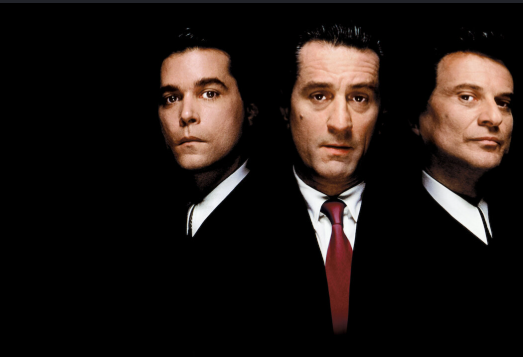
The Architecture of Chaos: Kinetic Direction, Voice-Over Authority, and Narrative Pacing in Goodfellas (1990)

Goodfellas 1990 featured image and movie poster showing Henry Hill, Jimmy Conway, and Tommy DeVito under moody low key lighting setup

Martin Scorsese’s 1990 crime epic, Goodfellas, fundamentally dismantled the traditional, romanticized tropes of the American gangster film. While contemporary critics frequently praise the picture for its razor-sharp dialogue and pop-infused soundtrack, its true cinematic brilliance lies in its radical narrative architecture. Working alongside editor Thelma Schoonmaker and cinematographer Michael Ballhaus, Scorsese engineered a hyper-kinetic visual … Read more

The Underdog’s Pacing: Direction and Emotional Resonance in John G. Avildsen’s Rocky (1976)

When John G. Avildsen directed Rocky in 1976, he established a cinematic blueprint for the sports drama that has been replicated for decades. However, separating the original film from its subsequent franchise action tropes reveals a gritty, character-driven piece of American independent filmmaking. At its core, Rocky is not a movie about boxing; it is … Read more