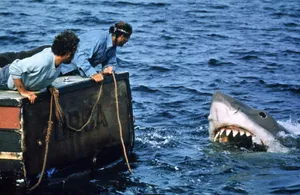
The operational framework of contemporary creature effects underwent a radical architectural evolution during the turbulent production of Steven Spielberg’s Jaws in 1975. Long before the advent of computational pixel rendering and digital asset pipelines, the production team was forced to physicalize an apex marine predator through pure mechanical engineering and structural rigging. The cinematic authority of the film does not emerge from superficial cinematic illusions, but from a calculated, highly complex integration of pneumatic systems, hydraulic pressure matrices, and open-ocean telemetry constraints. This mechanical rigor completely redefined the physical presence of terror on the silver screen, transforming an unstable specialized prop into a tactile force of nature.
Pneumatic Actuation and the Mechanics of Underwater Kinetic Force
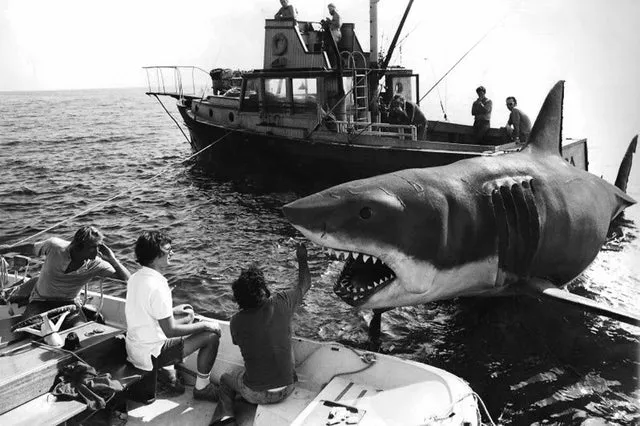
The structural stabilization of the animatronic asset, colloquially designated as “Bruce,” required the deployment of three distinct non-submersible and submersible mechanical models. Designed by production engineer Robert A. Mattey, the internal chassis of the creature was fabricated using heavy-duty tubular steel matrices overlaid with flexible polyurethane skin layers. To generate the rapid, violent biting arcs and lateral tail oscillations necessary to simulate real marine propulsion, the engineering team bypassed fragile electrical motors—which would instantly short-circuit under the corrosive salinity of Martha’s Vineyard—in favor of high-pressure pneumatic actuation loops.
This pneumatic delivery network operated via compressed air lines fed from an adjacent support barge directly into internal piston chambers. The structural velocity of the jaw mechanism was governed by custom pressure valves that allowed for rapid acceleration profiles, delivering thousands of pounds of mechanical clamping force in a fraction of a second. However, the pneumatic system introduced massive mechanical challenges due to the fluid dynamics of sea water. The internal air chambers required constant monitoring to balance changing hydrostatic pressure at varying depths, forcing the special effects crew to execute continuous recalibrations to prevent catastrophic pressure drops or structural seal failures during high-velocity takes.
The Spatial Constraints of Multi-Axial Hydraulic Rigs
To control the spatial trajectory of the creature across the maritime horizon, the production team engineered a massive, submersible steel platform system weighing over twelve tons. This multi-axial rigging array sat firmly on the ocean floor, anchored by heavy ballast tanks to resist shifting underwater currents.
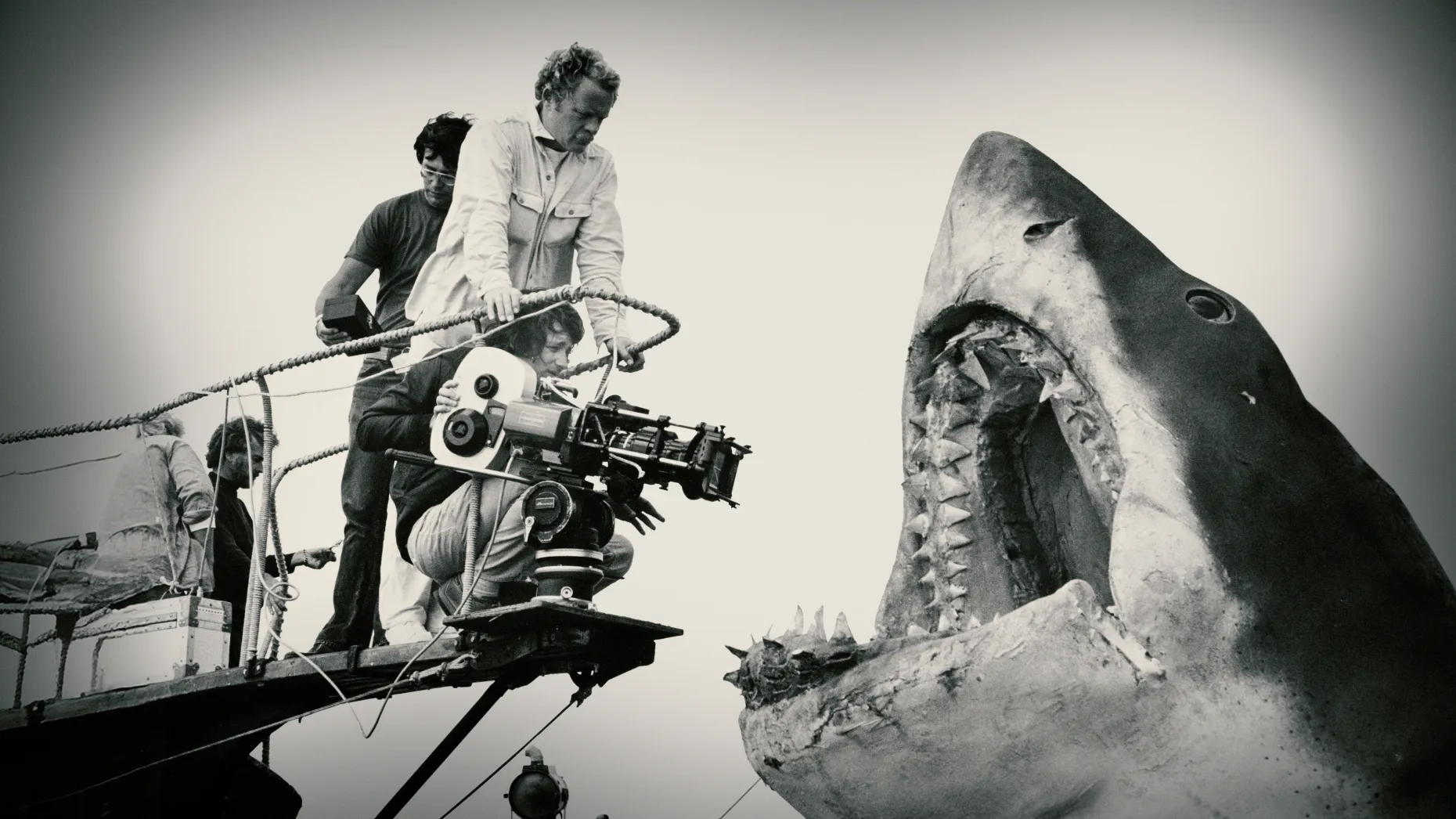
The animatronic shark was linked to this subterranean platform through a telescoping articulation arm driven by heavy-duty hydraulic lines. By calculating the exact load-bearing tolerances of the steel arm, mechanical operators on the surface could manipulate the shark’s pitch, roll, and jaw extension with high spatial precision. The camera tracked these mechanical sequences using rigid structural lines, matching the panning acceleration of the lens with the physical momentum of the creature, creating an authentic physical gravity that modern computer-generated simulation loops struggle to duplicate.
The Optical Composition of Sub-Surface Peril
The absolute genius of the visual execution in Jaws emerged directly from structural engineering failures. Because the saltwater environment continuously corroded the pneumatic valves and distorted the skin geometry of the animatronics, Steven Spielberg and cinematographer Bill Butler were forced to re-engineer the film’s framing paradigms. The camera layout pivoted away from explicit monster displays toward a brilliant strategy of off-screen spatial implication, utilizing simple functional objects to represent the immense kinetic mass of the hidden predator.
The Visual Telemetry of Floating Target Indicators
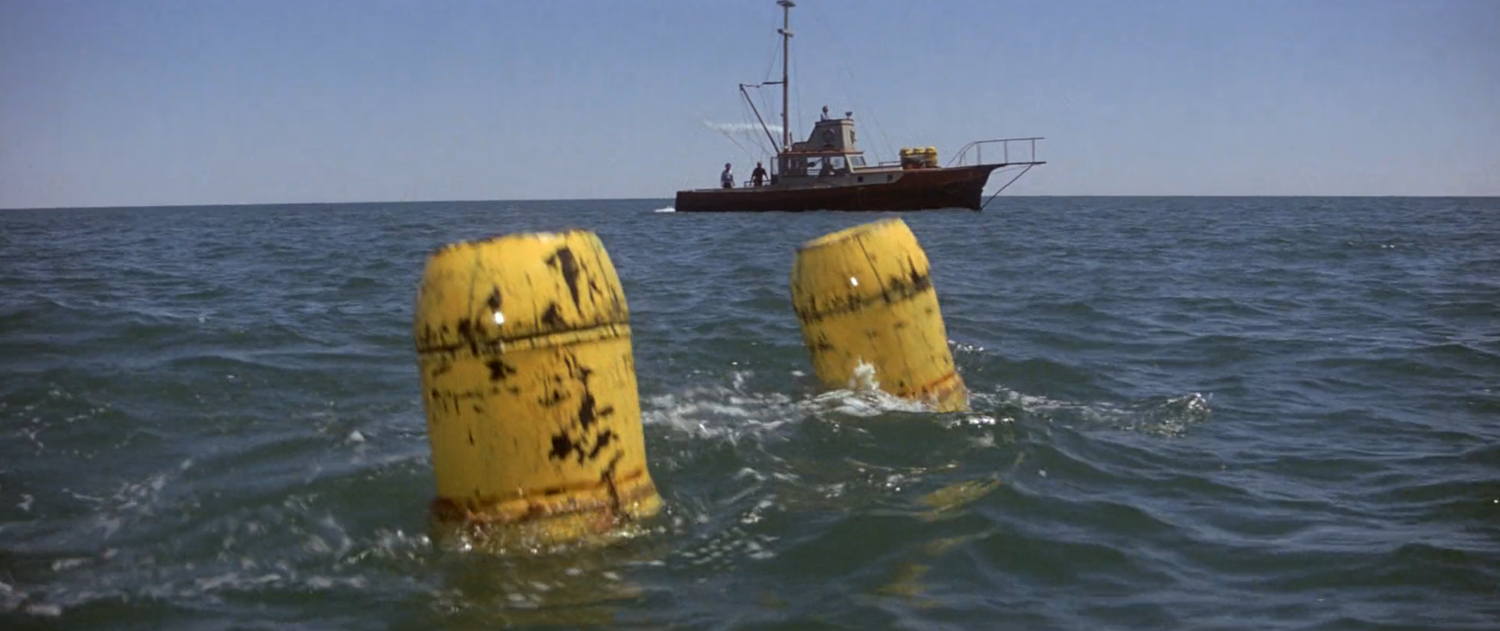
The implementation of yellow polyolefin barrels as visual target indicators stands as a historical milestone in practical effects direction. Rather than relying on a physical creature to fill the frame, the camera team utilized the buoyancy metrics of the barrels to track the shark’s underwater velocity, acceleration, and spatial orientation. When a barrel was dragged beneath the surface, the physical resistance of the water against the object generated a visceral, highly legible measurement of kinetic energy.
The composition throughout these sequences relied on long focal length lenses that compressed the space between the barrels and the fragile wooden hull of the Orca. By framing the high-contrast yellow objects against the dark, untamed textures of the Atlantic Ocean, the cinematography created a cold, mathematical countdown. The spectator could calculate the exact approach vector of the threat based entirely on the physics of the floating assets, amplifying the narrative pacing without displaying a single frame of synthetic animation.
Atmospheric Contrast and Maritime Color Space
The color palette of the film was strictly bounded to isolate the tragic nature of the conflict. Butler avoided the bright, saturated postcards typical of summer cinema, opting instead for a gritty, high-contrast chromatic space dominated by cold slate-greys, deep ocean cyans, and the warm, weathered wood tones of the vessel. The primary color spectrum was intentionally suppressed, reserving high-saturation red values exclusively for moments of violent biological disruption.
As the final confrontation inside the sinking ship reaches its climax, the lighting transforms into a raw, high-contrast documentary aesthetic. The warm practical light fields of the cabin give way to the cold, unyielding glare of the white fog over the open ocean. When the final explosive event occurs, the frame is shattered by real, high-velocity debris and expanding chemical fire spheres captured on location, anchoring the entire visual presentation in a hard, tactile, and optically undeniable reality.
The ultimate success of Jaws lies in its absolute absolute reliance on mechanical accountability over superficial studio illusions. Through its deployment of high-pressure pneumatic actuation pipelines, heavy multi-axial submersible rigging systems, and an ingenious optical strategy of spatial implication, the production team managed to elevate a chaotic practical shoot into a heavy, beautifully clinical exploration of primal survival.
Explore more technical breakdowns in our Effects & VFX section.
1 thought on “Practical Effects: Mechanical Rigging and Pneumatics in Jaws (1975)”
Comments are closed.