
Elevating a cosmic comic-book adaptation into a grounded visual tragedy requires a radical departure from traditional blockbusters’ flat, high-key saturation paradigms. In Avengers: Infinity War (2018), cinematographer Trent Opaloch and the Russo brothers achieved this structural shift by implementing an expansive visual grammar rooted in classical multi-source lighting setups, dense architectural shadows, and complex large-format optical traits. By deploying custom Arri Alexa IMAX large-format sensor arrays on set, the camera production team constructed a heavy, tactile physical landscape. This clinical approach effectively transforms fluid computer-generated environments into tangible, high-contrast digital sets that rigidly frame the narrative’s fatalistic, unyielding progression.
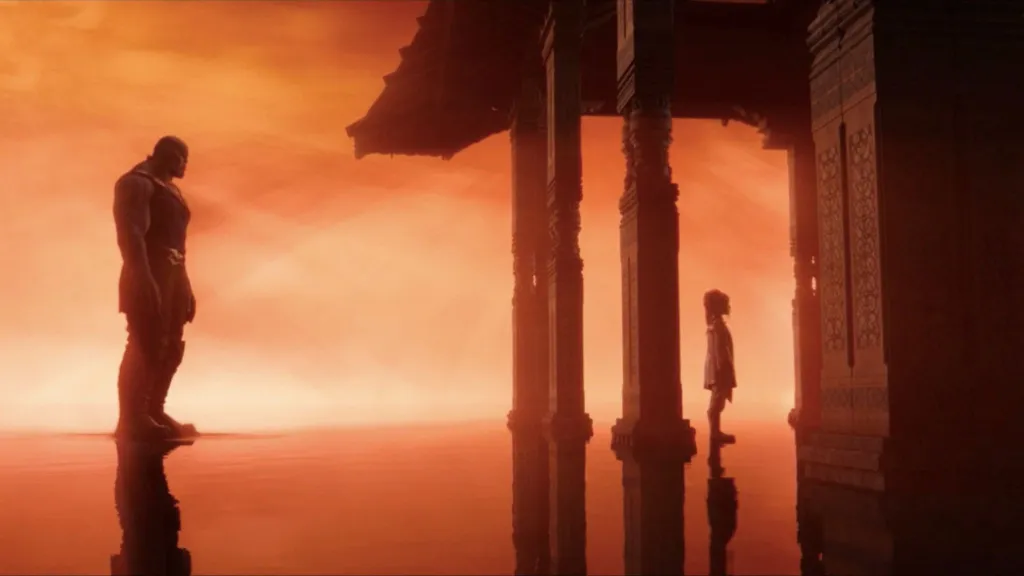
In this technical cinematographic analysis, we deconstruct the optical mechanics of large-format IMAX digital arrays, dissect the implementation of classical chiaroscuro portrait lighting on digital actors, and examine how color space differentiation establishes planetary scale.
1. Large-Format IMAX Digital Optics and Anamorphic Depth
The defining spatial characteristics of Infinity War stem from the absolute deployment of large-format digital sensors. Unlike traditional standard 35mm formats, the massive sensor real estate of the customized digital system expands the lens field of view without introducing aggressive wide-angle spherical distortion. This specific optical behavior allowed the camera operators to position lenses close to the human and digital performers while maintaining an expansive view of the background architecture.
This technical execution produces a tight focal separation that isolates characters within dense visual environments. The shallow depth-of-field generated by long focal length lenses on a large sensor turns complex background details into a smooth, creamy blur, forcing absolute visual focus onto the performer’s physical blocking. This clinical approach to using dense environment volumes and deep chromatic separation directly echoes the structural atmosphere we explored in our Blade Runner 2049 cinematography breakdown, proving that contemporary science fiction gains physical authority when high-contrast frames prioritize environmental weight over superficial visual clutter.
The Geometric Composition of Cosmic Tragedy
The framing throughout the film relies heavily on low-angle heroic positioning balanced against vast, dead vanishing points. Opaloch breaks away from standard comic-book framing by using strict architectural guide lines on set. In the ruined deserts of Titan, the characters are positioned along intersecting diagonals that direct the viewer’s eye toward the central thematic threat.

The camera movements remain slow, heavy, and deliberate, avoiding rapid kinetic shifts. By maintaining this steady visual weight, the cinematography emphasizes that the characters are caught within an inescapable tragic machinery, where space itself feels oppressive and absolute.
2. Chiaroscuro Dynamics and Digital Portraiture Illumination
The artistic peak of Infinity War’s lighting design centers on the visual execution of its primary antagonist, Thanos. Rather than flooding the complex digital asset with uniform, flat computer-generated lighting fills, the visual effects artists and lighting technicians treated the character as a physical stage performer, deploying classical high-contrast chiaroscuro lighting arrays.
The Geometry of Digital Shadows
To achieve this painterly contrast on a digital character, the lighting team used high-output, single-source key lights placed at 45-degree angles from the lens axis. This precise positioning cuts the character’s facial geometry in half, casting deep shadows across the nasal ridge and eye sockets while leaving the opposite side brilliantly lit. This stark lighting technique uncovers the intricate micro-texture maps of the digital skin, giving the character a heavy, organic, and historical presence on screen.
This heavy contrast transforms the antagonist from a simple digital monster into a complex dramatic presence. The camera tracks his close-ups with tight framing, capturing the micro-movements of the facial geometry under the shifting light fields, reinforcing that within this narrative framework, the threat is driven by a calculated, absolute conviction.

Chromatic Segmentation and Planetary Disruption
The visual narrative relies on a strict system of color space segmentation to manage the film’s multi-layered structural arcs. Each location is bounded by a unique, restricted color palette: the cold, clinical cyan-blues of the Asgardian refugee vessel, the warm monochromatic ambers of Titan’s dying atmosphere, and the vibrant, high-saturation greens and earth tones of the Wakandan battlefield.
As the narrative approaches its tragic conclusion in Wakanda, the lighting undergoes a slow, calculating shift. The vibrant daylight desaturates, giving way to long, deep, and slate-grey shadows that creep across the open plains. When the final catastrophic event occurs, the frame is stripped of its primary color brilliance, leaving a muted, flat color space that reflects the emotional paralysis of the surviving characters, cementing Infinity War as a masterpiece of commercial visual storytelling.
The ultimate success of Avengers: Infinity War lies in its absolute refusal to settle for flat digital convenience. Through its deployment of large-format IMAX sensor systems, classical chiaroscuro portrait lighting setups, and strict planetary color segmentation, the cinematography team managed to elevate commercial blockbusters into a heavy, beautifully clinical exploration of cosmic loss.
Explore more technical breakdowns in our Cinematography section.