Constructing a visceral supernatural environment without relying on hyper-saturated computer-generated entities requires an absolute mastery of mechanical rigging, custom optical filtration, and multi-layered digital compositing pipelines. In The Conjuring (2013), director James Wan and visual effects supervisor Raymond Chen abandoned traditional contemporary horror tropes to pioneer integrated physical-to-digital asset systems that ground metaphysical phenomena within a realistic workspace. Instead of deploying flat, post-production graphic overlays, the software engineering and practical effects teams designed specialized mechanical apparatuses capable of executing complex spatial distortions in real time. This calculated approach successfully forces the digital visual effects layers to serve only as clean environmental enhancements, permanently establishing a heavy, tangible sense of dread on the cinematic lens sensor.
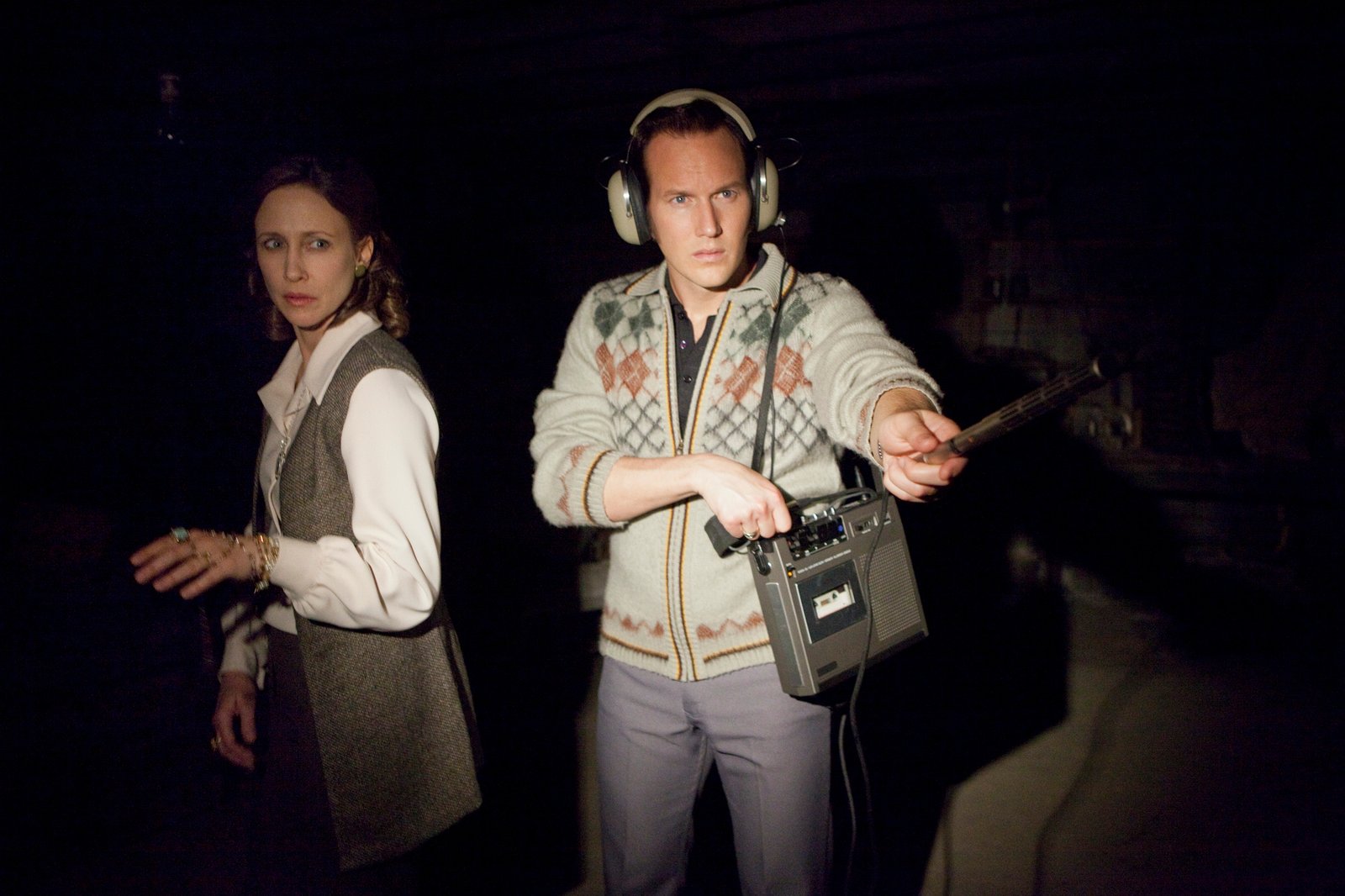
In this technical visual effects breakdown, we dissect the practical mechanical engineering used for physical asset manipulation, analyze the multi-layered digital compositing frameworks that amplify environmental distortions, examine the optical filtration mechanics behind vintage lens texturing, and dissect the specular tracking matrices that bind synthetic entity layers to live-action studio space.
1. Mechanical Rigging and the Physics of In-Camera Anomalies
The defining spatial characteristics of the film’s domestic environments stem from the absolute deployment of practical mechanical effects integrated directly with digital tracking blocks. Traditional Hollywood horror setups frequently rely on green-screen post-production element hand-offs—an execution method that often creates a noticeable visual separation between physical actors and synthetic environmental reactions. To bypass these limitations, the production team installed complex hidden pulley networks and high-tension wire matrices directly into the structural architecture of the house set. Whenever doors collapse or household objects accelerate across the frame, the mechanical rigs pull the physical assets based on strict velocity curves, allowing the camera operators to track the kinetic movement naturally. This absolute commitment to pure, physical space manipulation directly mirrors the rigorous environmental design principles we examined in our Blade Runner 2049 cinematography breakdown, proving that contemporary genre cinema gains physical authority only when mechanical sets dictate the exact behavior of live-action spatial parameters.
Digital Wire Removal and Edge Fidelity Shaders
This practical foundation required an advanced digital cleanup pipeline to ensure complete frame legibility. Visual effects artists at Method Studios deployed specialized paint and roto scripts to eliminate the physical wires without softening the underlying wood grain and wallpaper textures. The software engineers wrote custom edge-preservation shaders that dynamically recalculated the grain structure around the altered tracking sub-regions, keeping the technical resolution uniform across the entire image plate.
2. Multi-Layered Compositing and Atmospheric Volumetric Shading
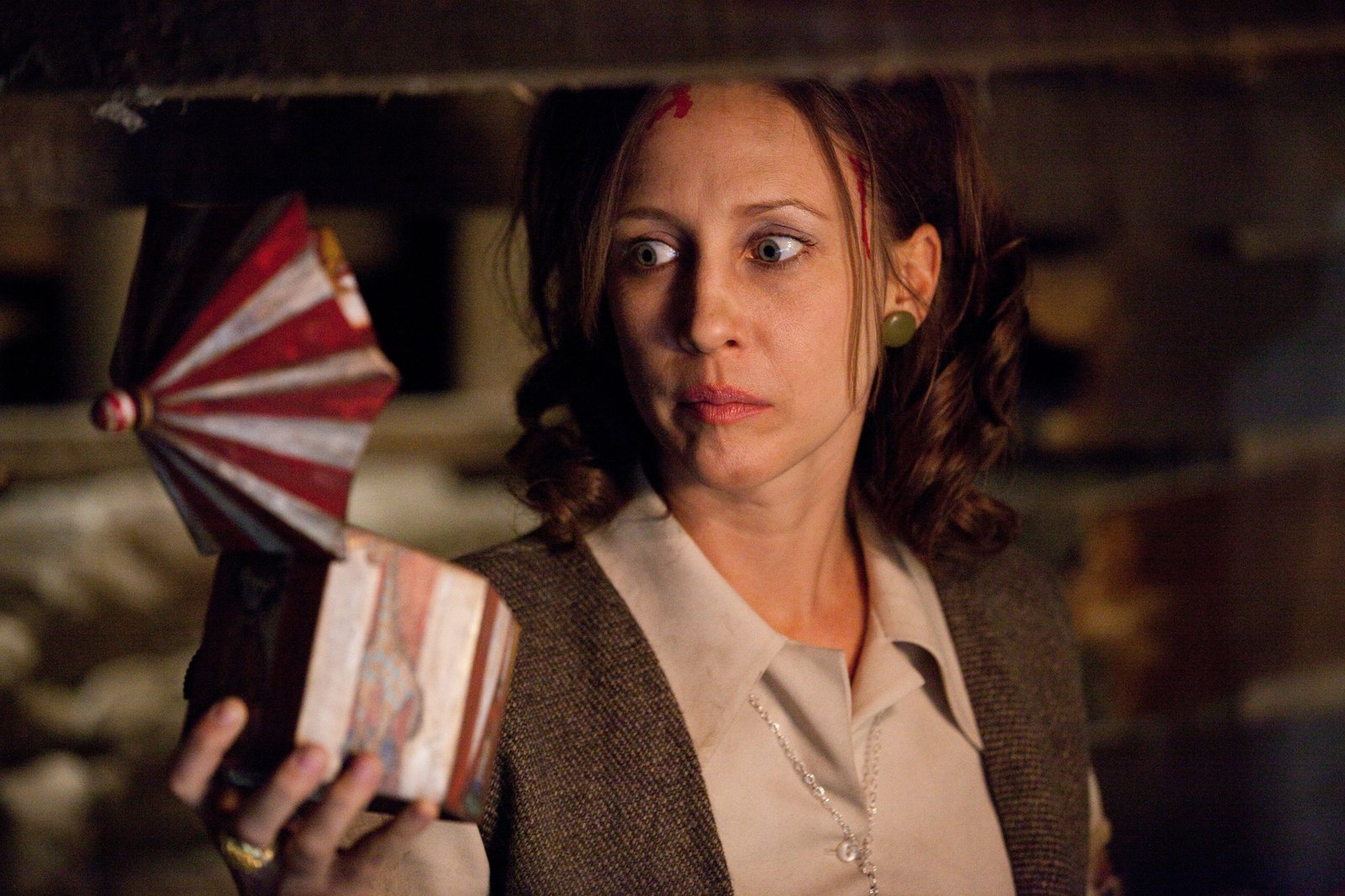
The sequence depicting the dark cellar spaces demanded a highly technical approach to managing digital particle fields and volumetric smoke simulation. Standard horror pipelines instance flat smoke loops over the plates, resulting in an artificial overlay profile when characters move through light beams. Chen shattered these limitations by utilizing advanced fluid dynamics software to generate custom 3D dust and fog assets that react dynamically to character movement vectors. The rendering pipeline processed the light cast by physical flashlights on set, calculating the exact light scatter through the digital fog layers to create hyper-realistic ambient occlusion fields down to the individual millimeter layer.
Digital Asset Shading and Texture Matching
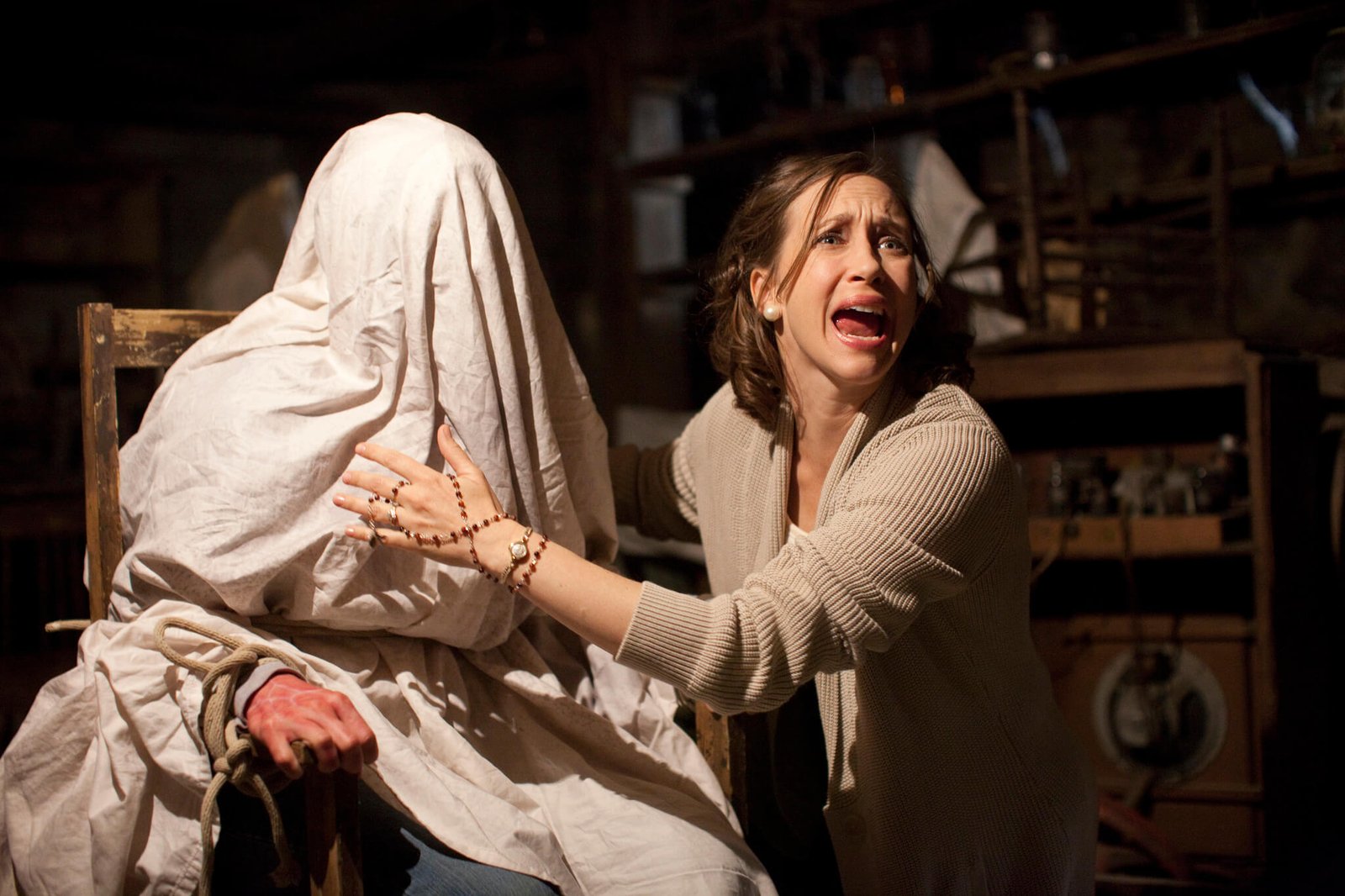
Integrating synthetic entity silhouettes into low-light environments required custom specular gloss shaders to manage the dark boundaries. The software calculated the anisotropy of the digital fabrics and prosthetic skin surfaces, simulating directional wear and sweat patterns that react organically to the low-frequency studio illumination. Consequently, as the entities step across the shifting shadows, the surfaces reflect light with varied, non-linear intensities, reinforcing their physical existence within the scene layout while securing a unified, clinical optical connection that strips the frame of any digital separation.
Synthesizing this intricate visual canvas demonstrates that modern supernatural illusions achieve absolute narrative weight when software mechanics prioritize tactile physical boundaries over simple automated computer-generated shortcuts. Through the programmatic implementation of advanced wire-removal pipelines, dynamic volumetric fluid scattering, and precise specular texture mapping, the post-production teams successfully converted complex mathematical algorithms into a beautiful, clinical exploration of domestic terror.
Explore more technical breakdowns in our Effects & VFX section.
1 thought on “Atmospheric Density: Optical Effects and Digital Rigging in The Conjuring (2013)”
Comments are closed.