
Achieving absolute anatomical fidelity and tangible physical weight within a digital creature and set simulation pipeline demands uncompromising control over dynamic skeletal kinematics, multi-layered epidermal shaders, and volumetric light diffusion. In Dawn of the Planet of the Apes (2014), director Matt Reeves and the technical supervisors at Weta Digital discarded conventional computer graphics overlay shortcuts, establishing a rigorous hardware-to-simulation architecture that grounds digital primates inside uncompressed, real-world outdoor environments. Rather than relying on static digital geometry, the production deployed advanced portable motion-capture rigs, markerless machine-learning tracking algorithms, and finite element muscle deformations. This calculated methodology forces digital mass to interact organically with natural terrain and atmospheric physics frame-by-frame, successfully generating a heavy, undeniable sense of biological realism directly on the cinematic lens sensor.
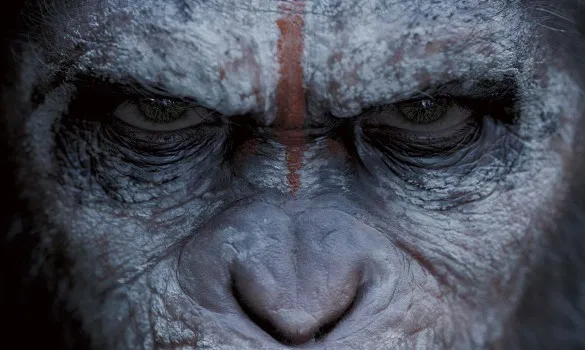
In this technical visual effects breakdown, we deconstruct the ruggedized hardware tracking frameworks that eliminate the uncanny valley, analyze the volumetric subsurface scattering matrices that dictate skin translucency, examine the finite element muscle simulation architecture used to calculate physical tension, and dissect the fluid integration pipelines that bind digital mass to environmental moisture and organic debris.
1. Outdoor Performance Capture and Markerless Facial Tracking Systems
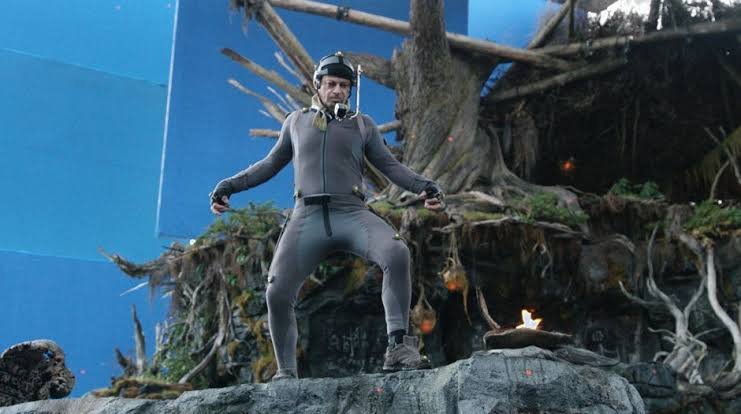
The core technical foundation of the film’s unprecedented character authenticity stems from the deployment of custom uncompressed dual head-mounted camera (HMC) rigs paired with hybrid markerless tracking classifiers. While historical industry workflows restricted performance capture to controlled indoor volume stages equipped with static infrared markers, Weta Digital engineered ruggedized hardware capable of sustaining extreme outdoor exposure without signal degradation across rain, mud, and fluctuating natural daylight conditions.
Sub-Millimeter Mesh Deformation and Retargeting Matrices
This environmental freedom necessitated a sophisticated approach to high-frequency mesh deformation and skeletal retargeting across divergent primate chassis. The pipeline processed raw actor micro-expressions directly into precise corrective blendshapes, mapping human muscular ranges of motion onto complex chimpanzee and gorilla bone structures. Furthermore, dedicated infrared tracking isolated precise eye convergence vectors and pupil dilation, ensuring that subtle psychological subtexts transferred seamlessly into the underlying digital armature without procedural jitter or synthetic smoothing.
By bypassing traditional painted facial markers, the engineering team eliminated tracking data loss caused by heavy perspiration during high-intensity physical sequences. The convolutional neural networks processed micro-movements in real-time, translating the subtle twitch of a lip or the tightening of a brow into accurate digital displacements that mirrored the exact emotional intent of the human performers.
2. Advanced Subsurface Scattering and Epidermal Layer Simulation
Rendering believable digital skin exposed to unpredictable natural lighting required a complete departure from traditional flat texture mapping. Weta Digital implemented proprietary physically based rendering (PBR) shaders driven by multi-layered dipole and multipole subsurface scattering (SSS) approximations. Light penetration was computed not as a surface bounce, but through volumetric biological simulation across distinct dermal strata:
- Stratum Corneum Interactivity: Captured high-frequency specular highlights, sweat accumulation, and forest condensation across the outer skin barrier.
- Epidermal Melanin Distribution: Modeled variable pigmentation density, governing how deeply light penetrated before scattering back outward with translucent vitality.
- Dermal Diffusion Matrices: Calculated internal vascular dispersion, blood flow attenuation, and subcutaneous tissue density beneath the muscular framework.
Simultaneously, the fur simulation engine managed over three million individual hairs per character, dynamically recalculating index of refraction (IOR) values whenever rain or mud saturated the pelage. This caused uniform light absorption and darkened albedo levels to match true biological physics, preventing the synthetic look common in earlier digital creature features.
3. Kinetic Muscle Simulation and Environmental Interactivity
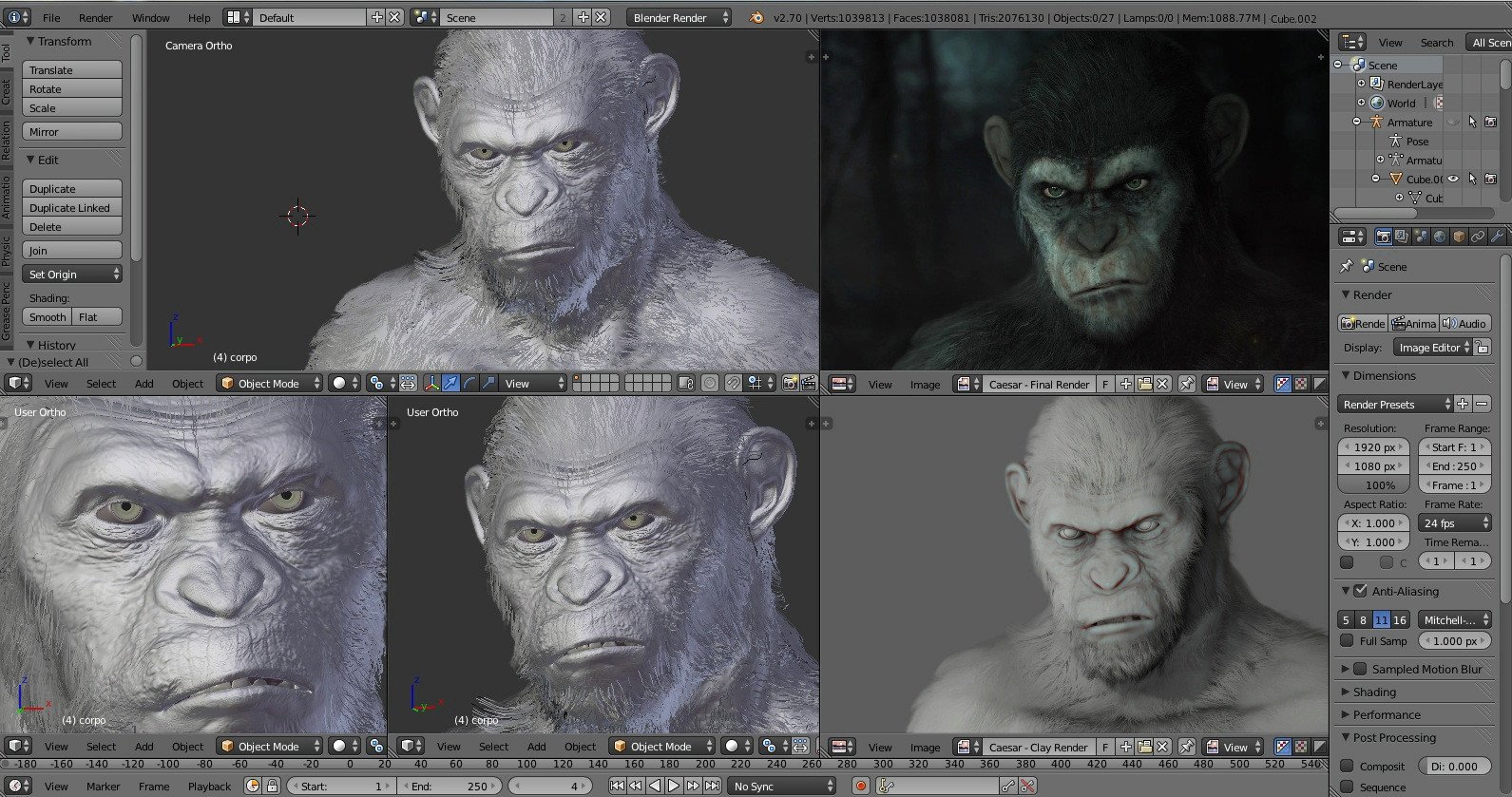
Beyond skin fidelity, the physical mass and momentum of the characters required an advanced mechanical simulation of internal anatomy. Utilizing finite element methods (FEM), the muscle pipeline computed real-time tension, compression, and skin sliding mechanics whenever an ape lunged or brachiation forces occurred. These volumetric muscle fibers pushed organically against the skin, generating realistic wrinkles, bulging veins, and flesh folds that responded instantly to gravity vectors, wet foliage, and continuous collision detection algorithms.
The fluid dynamics integration further enhanced environmental realism by tracking droplet adhesion, run-off vectors, and absorption rates across both fur and skin surfaces. When characters waded through rivers or emerged from heavy rainfall, particle-based fluid solvers managed water runoff with absolute physical consistency, ensuring that every movement maintained correct mass distribution within the digital space.
Deconstructing this complex biological pipeline demonstrates that definitive visual effects masterpieces achieve permanent industry status when uncompromising technical engineering overrides conventional computer graphics shortcuts. Through the precise integration of portable hardware capture, multi-layered epidermal shaders, and advanced finite element anatomical modeling, the production established an enduring benchmark for digital character performance and realistic cinematic world-building.
Explore more technical breakdowns in our Effects & VFX section.