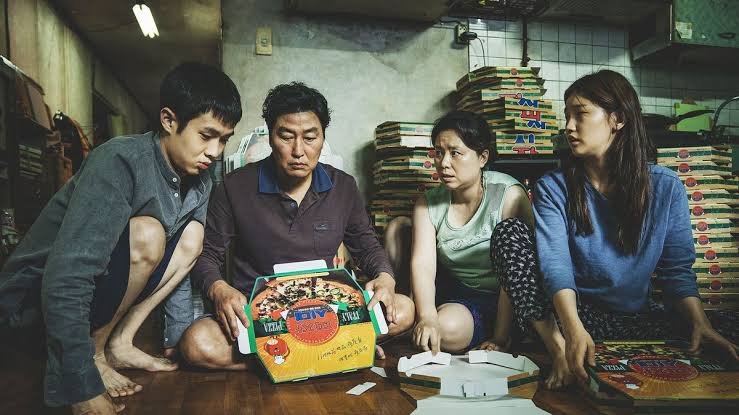
Architecturing a progressive framework of escalating socioeconomic friction within a rigid structural environment requires an absolute control over frame geometry, camera height, and architectural set design. In Parasite (2019), director Bong Joon-ho abandoned traditional upstairs-downstairs cinematic tropes to establish an integrated physical-to-narrative staging blueprint that traps characters inside a carefully stratified structural hierarchy. Rather than relying on overt thematic exposition, the direction utilizes the internal geometric parameters of domestic architectural layouts to create a suffocating socio-spatial grid. This calculated methodology forces the spatial division to alter the physical blocking of the actors frame-by-frame, successfully establishing a heavy, tangible sense of socioeconomic claustrophobia directly on the cinematic lens sensor.
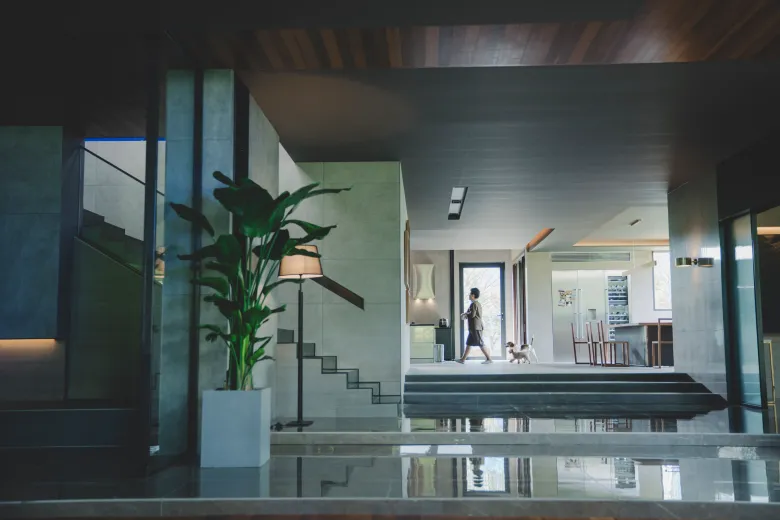
In this technical directorial analysis, we deconstruct the mechanical lens choices that emphasize vertical descent, analyze the editing pacing variables that dictate narrative tension during domestic infiltration, examine the physical set architecture used to isolate performers, and dissect the tracking matrices that balance live-action blocking with environmental lines.
1. Lens Geometric Division and the Architecture of Social Stratification
The primary narrative tension within the film’s domestic sequences stems from the deliberate deployment of specific lens heights and horizontal structural boundaries to split the depth of the frame. Traditional class dramas frequently utilize expansive wide angles to emphasize the luxury of affluent environments—an execution method that can romanticize spatial privilege. Bong Joon-ho shattered these conventions by locking the camera packages into strict composition grids, effectively flattening the distance between structural walls, windows, and the actors’ faces to establish invisible vertical dividers. This absolute commitment to strict optical field manipulation directly mirrors the architectural traps examined in our Jumanji (1995) spatial design analysis, proving that definitive auteur cinema achieves psychological weight only when the camera geometry strips the characters of shared physical layers.
Mechanical Blocking and Vertical Descents
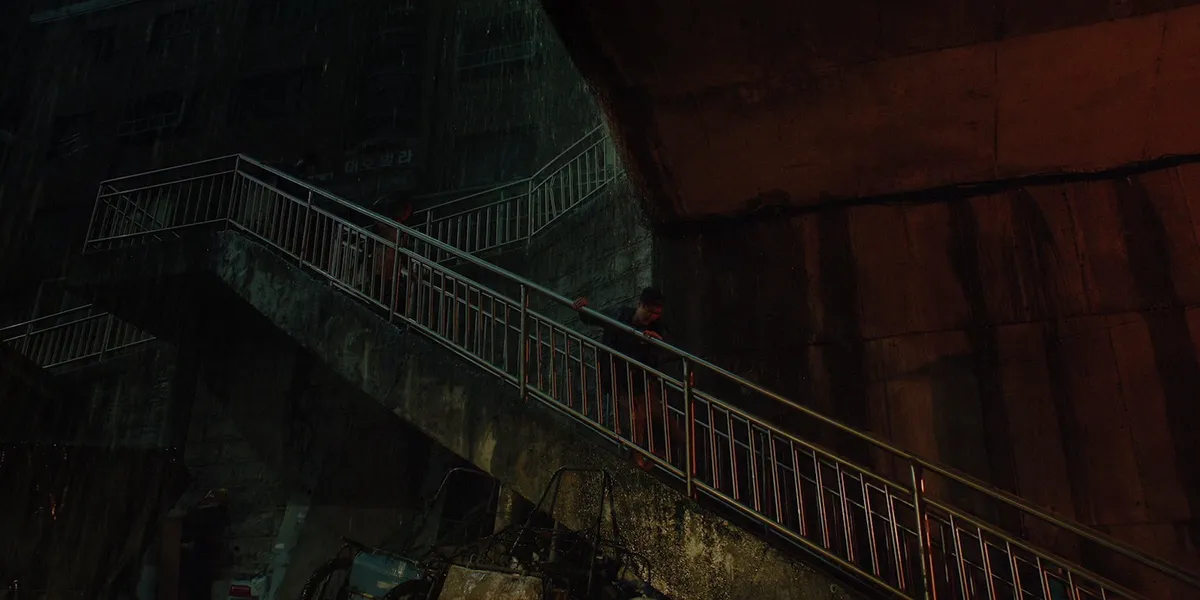
This optical division demanded a highly rigorous approach to vertical actor blocking. The direction organizes the action across parallel height lines within the frame, forcing the Kim family to lower their physical profile or descend stairs whenever the wealthy Park family crosses the camera axis. The camera tracks these movements using rigid, mechanical dollies and subtle tilts that lock the audience into the same geometric descent as the characters, ensuring that every movement downwards maintains a direct, physical impact on the screen composition.
2. Narrative Infiltration Metrics and the Deconstruction of Domestic Space
The sequence depicting the rhythmic setup of the housekeeper “peach allergy” scheme required a radical synchronization between character blocking, lens panning, and editing cut rates. Standard thriller structures instance rapid, kinetic cuts to simulate frantic energy, a technique that often breaks the spatial continuity of the environment. Bong Joon-ho maintained precise, fluid panning shots where the physical studio spaces transition smoothly via slow-motion montages, allowing the infiltration to register in real time. The editing pipeline calculated the exact duration of these tracking shots to match the rhythmic cadence of the orchestral score, turning the musical pacing into a visual editing guide.
Directorial Architecture and Environmental Decay
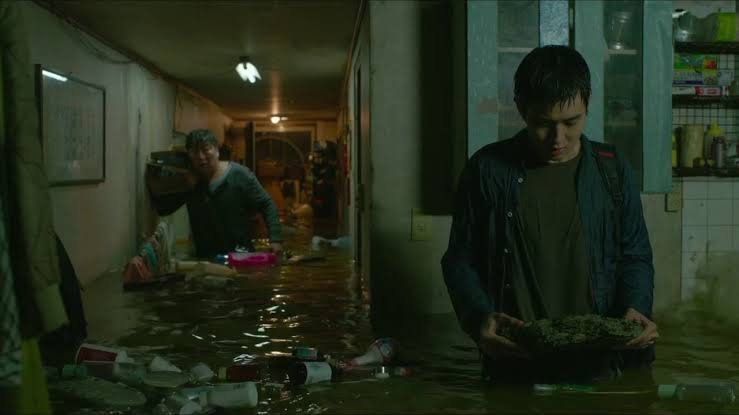
Managing the physical degradation of the semi-basement compound during the torrential rain sequence demanded a complex multi-stage set design execution. The production design teams systematically built the entire neighborhood set inside a water tank, allowing sewage and rain assets to accumulate into the domestic walls of the subterranean home. The direction treats these architectural elements not as background decoration, but as active narrative obstacles that dictate how physical actions are executed and how lenses track the desperation. Consequently, as the subterranean world drowns under the torrential deluge, the architectural boundaries limit the camera’s available headroom, creating a beautiful, clinical exploration of domestic disintegration where every single frame occupies space with absolute physical accountability.
Deconstructing this shifting spatial canvas demonstrates that modern satirical cinema achieves absolute visual authority when directorial precision overrides empty thematic shortcuts. Through the calculated deployment of divided lens focal planes, synchronized mechanical set construction, and highly restricted actor blocking matrices, the production team successfully converted complex spatial mathematics into a permanent masterclass for contemporary narrative cinema.
3. Tonal Monochromatic Compression: The Black-and-White Geometric Intensification
The alternative deployment of a monochromatic color space within the Parasite: Black-and-White Edition acts as a clinical amplifier of the film’s structural and geometric boundaries. By systematically stripping the frame of its original organic chromatic values—such as the sickly green-yellow textures of the semi-basement or the warm, pristine wood fields of the Park mansion—the visual narrative forces the audience to focus exclusively on density and luminance. Without the sensory distraction of color, the frame lines, glass boundaries, and vertical spatial divisions operate as sharp, absolute geometric cuts on the digital sensor. This tonal compression increases the physical weight of the textures; the subterranean grime steps into deep shadow zones, while the minimalist surfaces of the upper-class architecture become flat, clinical gray vectors. Consequently, the monochromatic rendering transforms Bong Joon-ho’s spatial stratification into a pure exploration of high-contrast socioeconomic boundaries, stripping the characters of any remaining visual softer margins.
Explore more technical breakdowns in our Direction & Narrative section.